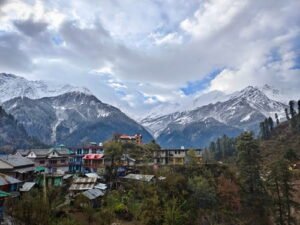
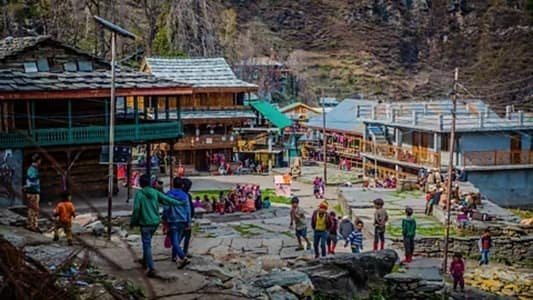
Malana is one of Himachal Pradesh’s most mysterious and culturally rich villages located in the Kullu district. It blends ancient stone houses, age-old customs, towering Himalayan peaks, and unique tribal traditions into one isolated and breathtakingly beautiful zone.
Famous for its claim as one of the world’s oldest democracies, distinct Kanashi language, and Jamadagni Rishi temple, Malana has become a top pick for trekkers, anthropologists, and curious travellers. The streets stay calm through the day, with strict cultural rules and quiet locals giving the area a timeless and protected feel.
| Category | Details |
| Location | Malana Village, Kullu, Himachal Pradesh |
| PIN Code | 175128 |
| Area Type | Hill Village + Tribal Heritage + Tourism |
| Nearby Areas | Jari, Kasol, Manikaran, Naggar |
| Known For | Ancient democracy, Kanashi language, Jamadagni temple |
| Nearest Town | Jari (around 16 km) |
| Key Highlights | Stone houses, tribal customs, mountain trek |
History and Development
Malana has a rich history that goes back several centuries. Locals believe their ancestors were soldiers of Alexander the Great, though no proof exists. The village has its own ancient democratic system with two councils — Jyeshtha (upper) and Kanishtha (lower) — and a chief deity, Jamlu Devta, who guides all major decisions.
Over time, Malana stayed mostly cut off from the outside world due to its isolated mountain location. Its strict cultural rules, where outsiders cannot touch locals or sacred objects, helped preserve traditions for generations.
Today, it stands as one of India’s most unique tribal villages, balancing ancient customs with growing trekking and cultural tourism.
Location and Geographic Importance
Malana sits in the Parvati Valley at around 2,650 metres elevation, surrounded by the Chanderkhani and Deo Tibba peaks. Nearby key areas include:
- Jari – nearest motorable village
- Kasol – tourism hub
- Manikaran – Sikh and Hindu pilgrimage site
- Naggar – heritage town
Its location offers smooth access to the Parvati Valley and Kullu tourism circuit.
Connectivity
Road Connectivity
- Direct access via Jari-Malana Road
- Close to NH-3 (Kullu-Manali Highway)
- Easy drive from Kasol and Bhuntar
- Road ends at Malana Dam; trek required to reach village
Final stretch requires a 2–3 hour uphill trek.
Public Transport
- HRTC buses run from Kullu to Jari
- Shared taxis common from Kasol to Jari
- No vehicles allowed inside Malana village
- Private cabs and self-drive most common
Air and Rail Access
- Nearest airport: Bhuntar (Kullu) around 40 km
- Chandigarh Airport: about 280 km
- Nearest railway station: Joginder Nagar (around 145 km)
- Quick access via NH-3 from Kullu side
Infrastructure
Malana enjoys preserved traditional infrastructure:
- Stone-paved village pathways
- Limited electricity supply
- Strong natural water availability
- Basic drainage system
- Decent mobile network in main areas
The village retains its old character with strict cultural codes.
Educational Institutions
Malana has access to limited educational facilities.
- Government Primary School, Malana
- Government Senior Secondary School, Jari
- Higher schools in Kullu and Manali
- Coaching centres in Kullu
- Limited online education access
Students travel to Jari and Kullu for higher studies.
Commercial and Job Opportunities
Malana has a unique commercial identity built on agriculture and tourism.
- Apple and herb farming
- Local handicraft and shawl making
- Trekking guide services
- Homestays and small guesthouses
- Tour operator offices in Kasol
Job opportunities are mostly tourism and agriculture-driven.
Residential Life
Malana has traditional and tribal housing options.
- Old wooden and stone houses
- Modern guesthouses for tourists
- Limited rental rooms
- Homestays in Jari and Kasol
Stay Snapshot (Approx.)
- Budget homestay: ₹500 – ₹1,200 per night
- Mid-range guesthouse: ₹1,500 – ₹3,000 per night
- Trek camp: ₹1,000 – ₹2,500 per night
- Hotel in Kasol: ₹2,000 – ₹6,000 per night
It suits trekkers, photographers, and cultural travellers.
Healthcare Facilities
Healthcare access in Malana is basic.
- Primary Health Centre, Malana
- Civil Hospital, Kullu
- Local clinics in Jari and Kasol
- Pharmacies in Kasol and Kullu
- Quick helicopter evacuation in emergencies
Serious cases require travel to Kullu or Mandi.
Markets, Malls, and Daily Needs
Daily needs are mostly handled in Malana and Kasol.
- Local village shops for basics
- Kasol main market for daily needs
- Bhuntar market nearby
- Handicraft stalls in village
- Small kiosks for tourist needs
Restaurants and Food Culture
Food options blend Himachali and Israeli flavours.
- Local Himachali food stalls
- Israeli cafes in Kasol nearby
- Trout fish and rajma chawal popular
- Tea stalls and momo joints
- Local rice beer experiences
Parks and Green Spaces
Malana has rich natural beauty due to its mountain location.
- Pine and deodar forests
- Open mountain meadows
- Chanderkhani Pass treks
- Magic Valley views
Nature defines the area’s character.
Safety and Living Conditions
- Safe with strong tribal community bonds
- Strict cultural rules for outsiders
- Decent lighting at night
- Calm but reserved environment
Tourists must follow rules — no touching locals, homes, or temples.
Cost of Living Snapshot
- Food: ₹100–₹400 per meal (average)
- Transport: ₹500–₹2,000 round trip from Kullu
- Stay: Wide range from budget to premium
- Utilities: Standard
It suits trekkers, cultural tourists, and slow travellers.
Pros and Cons
Pros
- Unique tribal heritage and culture
- Stunning Parvati Valley views
- Ancient democratic system
- Apple orchards and pine forests
- Famous trekking destination
Cons
- Limited public transport
- Final reach requires trek
- Strict cultural rules for outsiders
- Few large markets or malls
- Harsh winters and snow blockage
Nearby Important Areas
- Kasol – Israeli cafe hub
- Manikaran – pilgrimage site
- Jari – nearest motorable village
- Tosh – mountain hamlet
- Bhuntar – airport and town
Future Development
Malana keeps evolving with Himachal’s tourism push.
- Better road and trek infrastructure
- Improved homestay tourism
- Heritage and cultural conservation
- Limited but planned eco-tourism
- Promotional campaigns
Its tourism value is expected to keep rising steadily.
Who Should Consider This Area
- Trekkers ✔
- Anthropologists ✔
- Photographers ✔
- Cultural enthusiasts ✔
- Slow travellers ✔
- Daily IT commuters ✖
It suits people who want isolation, culture, and Himalayan beauty.
Conclusion
Malana is one of Himachal Pradesh’s most unique and culturally rich villages. It offers stunning Parvati Valley views, ancient tribal customs, and a fascinating sense of isolation — all in one address.
With its rich heritage and growing trekking demand, this village keeps attracting travellers and storytellers year after year. If you want a remote retreat with unmatched cultural depth, Malana fits the role perfectly.
FAQs
Q. What is the PIN code of Malana?
The PIN code is 175128.
Q. Why is Malana famous?
For its ancient democracy, Kanashi language, and tribal traditions.
Q. Is Malana good for living?
Mostly for locals; outsiders can stay short-term as tourists.
Q. Which is the nearest town?
Jari, around 16 km away.
Q. Is Malana safe at night?
Yes, with strong community bonds and low crime.
Q. What is the average homestay cost?
Around ₹500 to ₹1,200 per night.
Q. Are there good hospitals nearby?
Basic clinics in village; Kullu has full hospitals.
Q. How far is Kasol from Malana?
About 1.5 hours including the trek.
Q. Are homestays available in Malana?
Yes, limited options starting around ₹500 per night.
Q. How far is the airport?
Bhuntar Airport is around 40 km away.
Q. Is Malana accessible in winter?
Limited; heavy snow may block trek paths.
Q. Is Malana good for tourism investment?
Yes, but with strict cultural and legal restrictions.