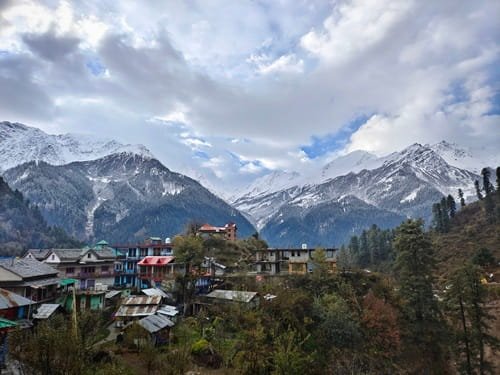
Tosh is one of Himachal Pradesh’s most popular Himalayan villages located at the far end of Parvati Valley in Kullu district. It blends traditional wooden mountain houses, snow-capped peaks, lively cafes, and backpacker hostels into one peaceful and scenic zone.
Famous for its proximity to Kasol, Manikaran, and Kheerganga trek base, Tosh is a top pick for backpackers, trekkers, and nature lovers. The village stays active with travellers, cafe crowds, and trekking groups throughout the season.
| Category | Details |
| Location | Tosh Village, Parvati Valley, Kullu, Himachal Pradesh |
| PIN Code | 175105 |
| Area Type | Hill Village + Tourist Destination |
| Nearby Areas | Kasol, Manikaran, Barshaini, Kalga, Pulga |
| Known For | Hippie culture, snow peaks, Kheerganga trek base |
| Nearest Airport | Bhuntar Airport |
| Key Highlights | Wooden architecture, Parvati River views, last village in valley |
History and Development
Tosh has a long history as a traditional Himachali village settled on the right bank of the Parvati River. Its main occupations have always been farming, apple cultivation, and herding. The rise of Kasol as India’s most famous backpacker town changed Tosh completely. Wooden guesthouses, hostels, and cafes started rising rapidly to support Indian and international travellers, especially Israelis and Europeans.
Today it stands as one of Parvati Valley’s most loved destinations, balancing intact Pahadi culture with a vibrant cafe and trekking scene.
Location and Geographic Importance
Tosh sits at an elevation of around 2,400 metres on a mountain slope. It is the last village in Parvati Valley. Nearby key spots include:
- Kasol – backpacker hub
- Manikaran – Sikh pilgrimage and hot springs
- Barshaini – last motorable point
- Kalga – peaceful neighbour village
- Kheerganga – trek destination
Its location offers stunning views of Papasura, White Sail, Angduri, Pinnacle, and Devachan peaks.
Connectivity
Road Connectivity
- Direct road link from Kasol via Manikaran and Barshaini
- Tarmac road ends at the start of Tosh village
- Self-drive possible till Tosh entry gate
- Cab access from Kasol and Bhuntar
Trek Connectivity
- 3 km uphill trek from Barshaini to Tosh
- Kheerganga trek starts from Barshaini
- Pulga and Kalga connected by short hikes
- Tosh waterfall trail within village
Bus and Public Transport
- HRTC buses from Delhi Kashmere Gate to Manikaran
- Local buses from Kasol to Barshaini
- Shared cabs from Barshaini to Tosh
- Volvo overnight buses to Bhuntar
Air and Rail Access
- Bhuntar Airport: around 50 km
- Joginder Nagar Railway Station: around 145 km
- Chandigarh Railway Station: around 290 km
- Delhi: around 538 km via NH-3
Infrastructure
Tosh enjoys basic mountain village infrastructure:
- Narrow stone and mud lanes
- Limited but reliable electricity
- Fresh natural spring water
- Limited mobile network (Jio and BSNL work best)
- Basic drainage and waste systems
Educational Institutions
Tosh has limited but functional schooling.
- Government Primary School, Tosh
- Middle Schools in nearby villages
- Higher schools in Manikaran
- Senior schools in Kullu town
- College education requires travel to Kullu
Tourism and Local Economy
- Cafes and German bakeries
- Guesthouses and backpacker hostels
- Trekking and guide services
- Apple orchards and farming
- Local handicraft and woollen shops
The economy runs almost entirely on tourism and apple cultivation.
Stay Options
Tosh has a wide range of stay options.
- Traditional wooden guesthouses
- Backpacker hostels with dorm beds
- Mid-range mountain stays
- Boutique homestays with valley views
Stay Snapshot (Approx.)
- Dorm Beds: ₹400 – ₹800 per night
- Basic Rooms: ₹800 – ₹1,500 per night
- Mid-range Stays: ₹1,500 – ₹3,000 per night
- Premium Cottages: ₹3,000 – ₹5,500 per night
It suits backpackers, families, and nature lovers.
Healthcare Facilities
- Local clinic in Tosh village
- Primary Health Centre, Manikaran
- Civil Hospital, Kullu
- Pharmacies in Kasol
- Emergency evacuation via Barshaini road
Markets and Daily Needs
- Small shops for groceries
- Bigger market in Kasol – 21 km
- Manikaran market – 12 km
- ATMs in Kasol and Manikaran
- Fresh apples and dairy from local farms
Cafes and Food Culture
- German Bakery for cakes and desserts
- Pink Floyd Cafe for music vibes
- Shalom Cafe for Israeli breakfast
- Cafe Him for local Himachali food
- Famous Snickers and chocolate chapati
Treks and Activities
- Kheerganga trek from Barshaini
- Tosh waterfall hike
- Nature walks through pine forests
- Stargazing and meditation
- Yoga retreats and music nights
Safety and Living Conditions
- Generally safe with friendly locals
- Limited night activity in lanes
- Limited mobile network in pockets
- Cold weather precautions needed in winter
Cost of Travel Snapshot
- Food: ₹150–₹500 per meal
- Local transport: ₹100–₹800 by route
- Stay: Low to medium
- Trekking gear rental: Standard
It suits backpackers and trekkers.
Pros and Cons
Pros
- Stunning Himalayan views year-round
- Affordable backpacker stays
- Strong cafe and food culture
- Base for Kheerganga trek
- Peaceful and scenic environment
Cons
- 3 km uphill trek to enter village
- Limited mobile and internet coverage
- Tough access during heavy snow
- Open cannabis use creates legal risk
- Limited medical facilities
Nearby Important Areas
- Kasol – backpacker hub
- Manikaran – pilgrimage centre
- Kheerganga – trek destination
- Pulga – quiet neighbour village
- Bhuntar – airport town
Best Time to Visit
Tosh has two ideal seasons.
- March to June: pleasant weather and blooming flowers
- July to August: monsoon and landslide risk
- September to November: clear views, light cold
- December to February: heavy snow, magical winter feel
- Avoid heavy monsoon for safety
Its tourist value rises every year with growing backpacker interest.
Who Should Visit Tosh
- Backpackers ✔
- Trekkers ✔
- Nature lovers ✔
- Couples and honeymooners ✔
- Yoga and meditation seekers ✔
- Luxury hotel seekers ✖
It suits slow, mindful Himalayan travel.
Conclusion
Tosh is one of Himachal Pradesh’s most rewarding Himalayan villages. It lacks the polish of Manali resorts, but offers Parvati Valley peaks, intact Pahadi culture, and a vibrant cafe-and-trekking scene. If you want clean air, slow mountain mornings, and a base for Kheerganga, Tosh fits the role perfectly.
FAQs
Q1. What is the PIN code of Tosh Village?
A: The PIN code of Tosh Village is 175105, falling under the Kullu postal division of Himachal Pradesh.
Q2. Why is Tosh famous?
A: Tosh is famous for its Himalayan views, traditional wooden houses, hippie cafe culture, and being the base for the Kheerganga trek.
Q3. Is Tosh good for visiting?
A: Yes, especially for backpackers, trekkers, and nature lovers looking for a peaceful Himalayan escape with strong cafe and music culture.
Q4. How do you reach Tosh?
A: You can drive or take a bus from Delhi to Kasol via Bhuntar, then go to Barshaini, and trek 3 km uphill to reach Tosh.
Q5. Is Tosh safe at night?
A: Yes, Tosh is generally safe at night thanks to friendly locals and active backpacker community, though lanes get quiet after 10 PM.
Q6. What is the cost of staying in Tosh?
A: Stays in Tosh range from ₹400 per night for dorm beds to ₹5,500 for premium cottages depending on season and view.
Q7. Are there good restaurants in Tosh?
A: Yes, German Bakery, Pink Floyd Cafe, Shalom Cafe, and Cafe Him are all popular for Israeli, Italian, and local Himachali food.
Q8. How far is Kasol from Tosh?
A: Kasol is roughly 21 kilometres from Tosh and takes around 1 hour by road via Manikaran and Barshaini.
Q9. Are homestays available in Tosh?
A: Yes, traditional wooden homestays are widely available, starting from around ₹800 per night for basic rooms.
Q10. How far is the airport from Tosh?
A: Bhuntar Airport is around 50 kilometres from Tosh and takes around 2 hours by road via Kasol.
Q11. Is parking a problem in Tosh?
A: Parking is available at the bottom of the village near Barshaini end, though space is limited during peak tourist season.
Q12. Is Tosh good for solo travellers?
A: Yes, Tosh is excellent for solo travellers due to its strong backpacker community, affordable hostels, and active cafe culture.