Buying a car has become much easier today because of car loans. Instead of paying the full vehicle price upfront, buyers can purchase a car by paying a smaller down payment and repaying the remaining amount through monthly EMIs. Car loans are widely used for both new and used vehicles because they help spread the financial burden over several years. However, while car loans make vehicle ownership more affordable, they also involve interest costs, long-term repayment commitments, and financial responsibilities. Understanding how a car loan works, along with its advantages and disadvantages, can help buyers make smarter financial decisions before purchasing a vehicle.
What Is a Car Loan?
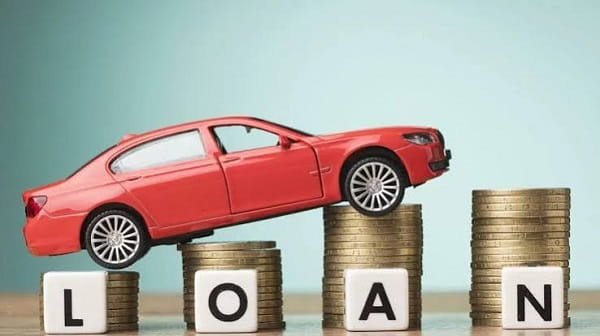
A car loan is a secured loan provided by banks, NBFCs, or financial institutions to help individuals purchase a vehicle.
The lender finances a major portion of the car’s price, and the borrower repays the amount through monthly EMIs over a fixed period.
The vehicle itself acts as collateral for the loan.
How Does a Car Loan Work?
In a car loan, the borrower pays a certain amount as down payment, while the lender covers the remaining cost.
The borrower then repays the financed amount through:
- Monthly EMIs
- Fixed repayment tenure
- Interest charges
Once the loan is fully repaid, the borrower becomes the complete owner without lender claim.
Down Payment Requirement
Most lenders do not finance the full car price.
Buyers usually need to pay:
- 10% to 25% of vehicle value as down payment
The exact amount depends on:
- Lender policy
- Credit profile
- Car type
- Loan scheme
Higher down payment reduces EMI burden.
Car Loan Tenure
Car loans usually offer repayment periods ranging from:
- 1 year to 7 years
Longer tenure lowers monthly EMI but increases total interest paid.
Interest Rates on Car Loans
Interest rates depend on factors such as:
- Credit score
- Income level
- Employment type
- Car value
- Loan amount
- Lender policy
New car loans often receive lower rates compared to used car loans.
What Is EMI in Car Loan?
EMI stands for Equated Monthly Installment.
Each EMI contains:
- Principal repayment
- Interest payment
The borrower pays the EMI every month until the loan is fully cleared.
Types of Car Loans
1. New Car Loan
Used for purchasing brand-new vehicles.
2. Used Car Loan
Used for buying second-hand vehicles.
3. Loan Against Car
Allows borrowers to pledge an existing vehicle to get funds.
4. Electric Vehicle Loan
Special financing for electric cars and EVs.
Eligibility for Car Loan
Lenders usually evaluate:
- Monthly income
- Credit score
- Employment stability
- Existing EMIs
- Age of applicant
- Repayment capacity
Higher income and better credit scores improve approval chances.
Documents Required
Common documents include:
- Aadhaar card
- PAN card
- Salary slips
- Bank statements
- Address proof
- Income proof
- Vehicle quotation
Self-employed borrowers may need additional business documents.
Pros of Car Loan
1. Makes Car Ownership Easier
Buyers can purchase vehicles without paying the full amount immediately.
2. Flexible Repayment Tenure
Borrowers can choose EMI plans according to their budget.
3. Preserves Savings
People can keep emergency savings instead of spending all money on the car purchase.
4. Faster Access to Vehicle
Buyers do not need to wait years to save the full amount.
5. Builds Credit History
Timely EMI payments help improve credit score and financial profile.
Cons of Car Loan
1. Interest Cost
The total amount paid becomes higher than the actual vehicle price because of interest.
2. Long-Term EMI Burden
Monthly repayments continue for several years.
3. Risk of Vehicle Repossession
If EMIs are not paid, the lender may repossess the vehicle.
4. Depreciating Asset
Cars lose value over time while loan repayment continues.
Additional Costs
Car ownership also includes:
- Insurance
- Fuel
- Maintenance
- Registration charges
- Repairs
New Car Loan vs Used Car Loan
New Car Loan
- Lower interest rates
- Longer tenure
- Easier approval
Used Car Loan
- Higher interest rates
- Shorter tenure
- Stricter vehicle age conditions
The choice depends on budget and vehicle preference.
Fixed vs Floating Interest Rate
Fixed Interest Rate
- EMI remains constant
- Easier budgeting
Floating Interest Rate
- EMI changes with market conditions
- Rates may increase or decrease over time
Many car loans in India commonly use fixed rates.
How to Reduce Car Loan Burden
Borrowers can reduce financial pressure by:
- Paying higher down payment
- Choosing shorter tenure
- Making part prepayments
- Maintaining good credit score
- Comparing lender rates carefully
Smart planning can reduce total interest significantly.
Things to Consider Before Taking Car Loan
Calculate Total Cost
Consider:
- EMI
- Interest
- Insurance
- Maintenance
- Fuel expenses
before finalizing the purchase.
Avoid Over-Borrowing
Choose a vehicle that comfortably fits your income and budget.
Compare Multiple Lenders
Interest rates and charges vary widely between lenders.
Check Prepayment Charges
Some lenders charge fees for early loan closure.
Is Car Loan Worth It?
For many people, yes.
Car loans help improve convenience, mobility, and lifestyle without requiring full upfront payment.
However, borrowers should ensure:
- EMI remains affordable
- Financial stability is strong
- Future repayment capacity is comfortable
A car loan should improve convenience, not create financial stress.
Final Thoughts
A car loan is a useful financing option that helps people purchase vehicles without paying the entire amount immediately. It offers flexibility, preserves savings, and makes car ownership more accessible. However, borrowers should remember that car loans involve interest costs, monthly EMI commitments, and additional vehicle expenses.
Before taking a car loan, carefully evaluate affordability, interest rates, repayment tenure, and long-term financial impact. Responsible borrowing and disciplined repayment can make car ownership financially manageable and convenient.
FAQs
Q: What is a car loan?
A: A car loan is a secured loan used to finance the purchase of a vehicle.
Q: How much down payment is required for car loan?
A: Usually around 10%–25% of the vehicle value depending on lender policy.
Q: What is EMI in car loan?
A: EMI is the fixed monthly payment containing principal and interest components.
Q: Is new car loan cheaper than used car loan?
A: Yes, new car loans generally have lower interest rates.
Q: Can lender repossess car if EMI is not paid?
A: Yes, the lender may take legal possession of the vehicle in case of default.
Q: Does car loan improve credit score?
A: Timely EMI payments can help build positive credit history.