Yes, collecting customer biometrics for app login can be legal in India, but only with clear consent, a proper privacy notice, strong security, limited use, and a real need for collecting such data. It is not something an app should do casually. Fingerprints, face scans, iris scans and voiceprints are not ordinary login details. If a password leaks, the user can change it. If biometric data leaks, the user cannot change their face or fingerprint.
This is why biometric login must be handled with extra care. For most apps, the safest method is not to collect biometrics at all. Instead, the app should use the phone’s built-in biometric system, such as fingerprint unlock or face unlock, where the biometric data stays on the user’s device and the app only receives a yes/no authentication result.
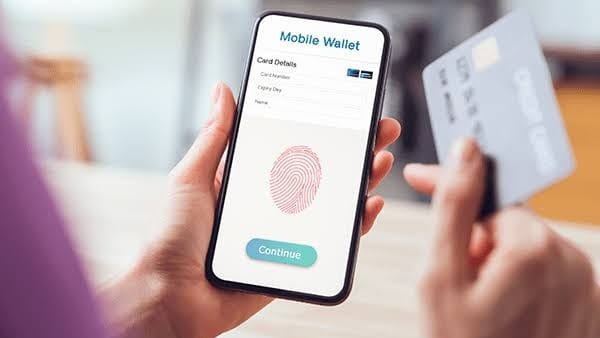
What Counts as Biometric Data?
Biometric data includes physical or behavioural identifiers used to recognise a person. This may include fingerprint, face scan, iris scan, retina scan, voice pattern, palm scan or similar identity markers.
India’s older IT privacy rules specifically define “biometrics” as technologies that measure and analyse human body characteristics, including fingerprint, iris, voice pattern, facial pattern and DNA for authentication purposes. These rules also treat biometric information as sensitive personal data or information.
So, if an app stores a face template, fingerprint template, voiceprint or biometric identity file, it is handling highly sensitive identity data.
DPDP Act: Consent and Notice Are Necessary
India’s Digital Personal Data Protection Act, 2023 applies to digital personal data. It says personal data should be processed only for lawful purposes and in accordance with the Act. It also requires notice before or along with a request for consent, explaining the personal data being collected and the purpose of processing.
This means an app cannot secretly collect biometric data in the background. It must clearly tell the customer what biometric data is collected, why it is needed, how it will be used, whether it will be stored, whether it will be shared with vendors, and how long it will be retained.
The DPDP Rules, 2025 further require notices to be clear, understandable, and useful for the customer, not hidden inside complicated legal language. They also deal with consent managers and security obligations.
On-Device Biometric Login Is Safer
There is a big legal difference between using biometric login and collecting biometric data.
If an app uses Android or iPhone biometric authentication properly, the app usually does not receive the user’s actual fingerprint or face data. The data stays inside the phone’s secure hardware. The app only gets confirmation that the device owner has authenticated.
This is much safer because the business is not storing biometric data on its own server. For most banking, e-commerce, delivery, wallet, education, healthcare or membership apps, this is the better model.
The risky model is when the app captures and stores its own fingerprint, face scan or voiceprint. That creates higher privacy, security and liability risk.
Can Biometric Login Be Mandatory?
Making biometric login compulsory can be legally risky unless there is a strong reason. Consent under the DPDP framework should be free, specific, informed and unambiguous. If the customer has no real alternative, the “consent” may be questioned.
A safer app design should offer alternatives such as password, PIN, OTP, passkey or device-level biometric login. Biometric login should usually be an optional convenience feature, not the only door to access the service.
Aadhaar Biometrics Are a Separate Issue
Aadhaar biometrics should not be treated like normal app-login data. UIDAI’s Aadhaar ecosystem has its own rules, authorised entities and registered biometric devices. UIDAI states that biometric devices capture fingerprint and iris data for Aadhaar authentication, and registered devices are mandated in the Aadhaar authentication ecosystem.
UIDAI also clearly says that no one, including mobile phone companies, can store or use biometrics taken at the time of Aadhaar verification. The biometric data is encrypted and sent to UIDAI for verification.
So, a private app should not ask customers to provide Aadhaar fingerprint or iris data for ordinary login unless it is legally authorised and fully compliant with UIDAI rules.
What Must an App Company Do?
An app collecting biometrics should have a proper privacy policy, separate consent flow, limited collection, encryption, access control, audit logs, vendor contracts, data-retention limits and deletion process. It should also explain how customers can withdraw consent and how complaints will be handled.
The company should not use biometric data for unrelated purposes like advertising, behaviour tracking, employee monitoring, facial recognition marketing or sharing with partners unless there is clear legal permission and specific consent.
If children’s biometric data is involved, the risk becomes even higher. The DPDP Act requires verifiable parental consent for processing children’s personal data and places special restrictions on harmful processing and tracking of children.
What If Biometric Data Leaks?
A biometric data breach can be serious. Under the DPDP Act, failure to take reasonable security safeguards can attract heavy monetary penalties, and failure to notify a personal data breach can also create liability.
For a business, the damage is not only legal. A biometric leak can destroy customer trust permanently.
Final Answer
Collecting customer biometrics for app login is legal in India only if it is necessary, consent-based, transparent and strongly protected. But for most apps, directly collecting and storing biometrics is not advisable.
The clean rule is simple: use device biometric authentication, but do not collect raw biometrics unless you truly need to and can legally protect it. A fingerprint or face scan is not just a login shortcut. It is a permanent identity marker, and Indian businesses must treat it with the highest level of care.