Usually, it is not legally safe to scrape public LinkedIn profiles for B2B sales in India, especially if you use bots, browser extensions, automation tools, or scraped contact databases. A business may collect publicly visible professional information in limited and careful ways, but mass scraping from LinkedIn for lead generation can violate LinkedIn’s terms, privacy rules, cyber-law principles, and anti-spam expectations.
B2B sales teams love LinkedIn because it is full of decision-makers: founders, HR heads, marketing managers, CXOs, recruiters, agency owners and startup teams. A public profile may show name, company, designation, location, skills and work history. That looks like “open data.” But open visibility does not automatically mean free commercial harvesting. A person sharing professional details on LinkedIn is not necessarily giving every scraper permission to copy, store, enrich, sell and cold-message that data.
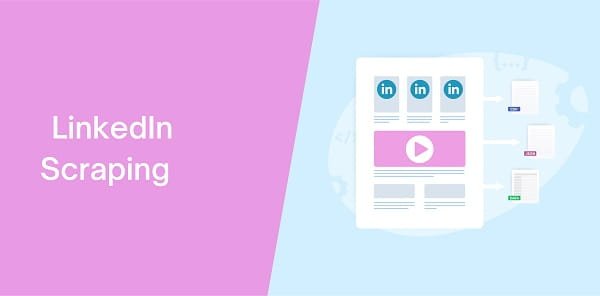
What Does “Scraping LinkedIn” Mean?
Scraping means using software, bots, extensions or automated tools to collect data from LinkedIn profiles at scale. This may include names, job titles, company names, profile URLs, email guesses, phone numbers, skills, posts, comments and connections.
Manual research for a few leads is different. For example, a salesperson checking a company page and noting a decision-maker’s name for a relevant outreach is normal business research. But automatically scraping thousands of profiles and adding them to a CRM, email list or WhatsApp campaign is a different risk level.
LinkedIn’s Own Rules Are Strict
LinkedIn’s User Agreement directly restricts scraping. It says users must not develop, support or use software, devices, scripts, robots, crawlers, browser plugins or other technology to scrape or copy LinkedIn services, including profiles and other data. It also restricts copying, using, displaying or distributing information obtained from LinkedIn without proper consent.
This is very important. Even if the data is publicly visible, using LinkedIn while violating its contract can lead to account restriction, legal notice, blocking of tools or claims by LinkedIn. LinkedIn’s help page also says prohibited tools can lead to account restrictions or shutdown.
So, from a platform-contract angle, automated scraping is clearly unsafe.
What About Indian Privacy Law?
India’s Digital Personal Data Protection Act, 2023 says personal data may be processed only according to the Act and for a lawful purpose. It also says consent must be free, specific, informed, unconditional and unambiguous when consent is the basis of processing.
There is one important exception: the DPDP Act does not apply to personal data that the person has made publicly available. The Act gives an example of a person publicly sharing personal data on social media, where the Act would not apply to that publicly shared data.
But this exception should not be misunderstood. It does not mean every LinkedIn scraping business is legal. First, not every profile field may be truly public. Some data may be visible only after login, connection, search access or platform permissions. Second, even if DPDP does not apply to some publicly posted data, LinkedIn’s contract, cyber law, intellectual property rules, database misuse, spam complaints and unfair business practices may still apply.
IT Act Risk: Unauthorised Extraction
The Information Technology Act, 2000 can also become relevant. Section 43 covers situations where a person, without permission of the owner or person in charge of a computer system or network, accesses, downloads, copies or extracts data, computer database or information.
This does not mean every basic viewing of a public webpage is illegal. But if a scraper bypasses access controls, ignores restrictions, uses fake accounts, evades rate limits, rotates IPs, uses bots, or extracts large amounts of data despite platform prohibition, the risk becomes much stronger.
B2B Sales Does Not Remove Privacy Risk
Many businesses think B2B data is not personal data. That is wrong. A person’s name, job title, company, email, phone number and profile URL can still identify an individual. It may be professional data, but it is still linked to a real person.
If you scrape a marketing manager’s profile and then enrich it with guessed email, mobile number, company size and buying intent, you are building a personal-data profile. Using that for cold outreach without transparency can create complaints and reputation damage.
Can You Use Public LinkedIn Data Manually?
Limited manual use is safer than scraping. For example, a sales executive may visit a profile, understand the person’s role, and send a relevant LinkedIn connection request or message within LinkedIn’s normal features. That is closer to platform-intended use.
But exporting profiles into a separate database, selling lead lists, adding people to email campaigns, or using third-party scraped databases is much riskier. LinkedIn’s User Agreement also restricts monetising its services or related data without consent.
Cold Email and WhatsApp Outreach
Even if you get a business email, outreach should be relevant, honest and limited. Do not mislead people about where you got their data. Do not pretend there was prior consent. Do not add scraped contacts to newsletters without opt-in. Do not send repeated messages after refusal.
WhatsApp outreach is even more sensitive because people treat WhatsApp as personal space. Bulk WhatsApp sales messages to scraped numbers can trigger spam reports, account bans and privacy complaints.
Safe Alternatives for B2B Lead Generation
A safer B2B sales process is to use LinkedIn’s official tools, website contact forms, company directories, opt-in lead magnets, webinars, newsletters, inbound forms, paid ads, referral campaigns, trade shows, and consent-based databases.
If you collect data, keep a simple privacy notice, explain the purpose, allow opt-out, avoid excessive data, and do not buy shady scraped lead lists. If using a vendor, ask whether the data was collected lawfully, whether users gave consent, and whether LinkedIn scraping was involved.
Final Answer
Scraping public LinkedIn profiles for B2B sales is not clearly safe in India. Small manual research may be acceptable when done respectfully within LinkedIn’s normal use. But automated scraping, mass profile extraction, third-party lead databases, email enrichment, fake accounts and bulk outreach can violate LinkedIn’s terms and create privacy, cyber-law and spam-related risks.
The clean rule is simple: LinkedIn can be used for professional research, but not treated like a free lead-mining database. For B2B sales, use consent-based, transparent and platform-compliant methods instead of scraping.