Yes, deepfakes can be used in brand advertisements in India, but only with clear consent, honest disclosure, lawful content, and no misleading representation. A brand cannot use a celebrity’s face, voice, body, expressions or identity through AI without permission. It also cannot make a fake video look like a real endorsement if the person never promoted that product.
Deepfake advertising may look exciting because it can bring dead actors back on screen, make celebrities speak different languages, create virtual brand ambassadors, or produce low-cost campaigns at scale. But legally, it sits in a sensitive area. It touches privacy, personality rights, consumer protection, copyright, IT rules, data protection and even criminal law if impersonation or fraud is involved.
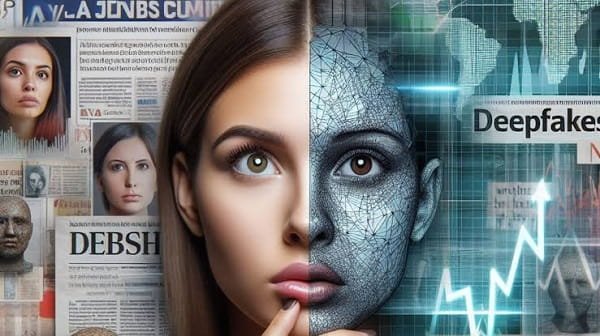
What Is a Deepfake Advertisement?
A deepfake advertisement is a promotional video, image, voice clip or digital content created or altered using AI so that a person appears to say or do something they did not actually say or do. It may use face-swapping, voice cloning, body movement generation, lip-syncing or synthetic avatars.
For example, if a brand creates a video where a famous cricketer appears to recommend a health drink, but the cricketer never recorded that ad, it is a deepfake endorsement. If there is no permission, it is legally dangerous.
Consent Is the First Requirement
The most important rule is simple: do not use a real person’s identity without consent.
A person’s face, voice, name, image, signature style and public identity may be protected under personality rights and publicity rights. Indian courts have increasingly recognised that celebrities and public figures have a right to control commercial use of their identity. In 2026, the Delhi High Court barred unauthorised AI deepfakes using Swami Ramdev’s name, likeness, voice and persona, noting that such use could mislead the public and violate personality and publicity rights.
So, if a brand wants to use a celebrity deepfake, it should have a written agreement covering AI use, platform use, language versions, duration, territory, editing rights and approval process.
Fake Endorsements Can Become Misleading Ads
Deepfake ads become illegal when they mislead consumers. The Consumer Protection Act gives the Central Consumer Protection Authority power to act against false or misleading advertisements. Section 21 allows directions and penalties against misleading ads, including action involving endorsers.
This matters because a deepfake can create false trust. If customers believe a doctor, actor, cricketer, influencer or finance expert has genuinely endorsed a product, they may buy it because of that trust. If the endorsement is AI-generated without permission, the ad is deceptive.
The risk is higher for health products, financial services, education, crypto, stock tips, weight-loss products, medicines, beauty treatments and children’s products.
AI Disclosure Is Becoming More Important
India’s updated IT Rules now formally deal with synthetically generated information, including AI-generated audio, visual or audio-visual content that appears real. MeitY’s 2026 official FAQ says the amendment rules came into force on February 20, 2026 and focus on synthetically generated information.
These rules mainly place duties on intermediaries and platforms, but brands should not ignore the direction of regulation. The legal trend is moving toward clear labelling, faster takedowns and accountability for synthetic content.
If an ad uses an AI avatar, AI voice, synthetic face or digitally recreated person, it is safer to disclose it clearly. Hidden AI use may not always be illegal by itself, but hidden AI use that misleads people is risky.
Virtual Influencers Are Different from Deepfake Celebrities
A fully fictional AI influencer can be used legally if it does not copy a real person and is not misleading. For example, a brand may create a virtual model or animated AI ambassador.
But even here, disclosure matters. ASCI’s influencer advertising guidelines say a virtual influencer must clearly disclose that consumers are not interacting with a real human being, and the disclosure should be upfront and prominent.
So, a brand should not pretend that an AI influencer is a real customer, real doctor, real student or real expert if that is not true.
Data Protection and Voice Cloning
Deepfakes often need personal data such as photos, videos, voice samples, facial features or biometric-like identifiers. India’s Digital Personal Data Protection Act, 2023 requires personal data to be processed for lawful purposes and generally with proper consent.
If a company uses someone’s face or voice data to train, generate or modify an ad without consent, it can create privacy problems. This becomes more serious when the person is a child, employee, customer, influencer or private individual.
Copyright and Performer Rights
A deepfake ad may also violate copyright if it uses copyrighted film clips, songs, dialogues, photos, videos or performances without permission. A brand cannot take an old movie scene, replace the actor’s face, add a product message and publish it as an ad without clearing rights.
Even if the AI-generated output is new, the input material may be protected. Advertising agencies should check stock licences, music rights, film rights, photographer permissions and actor contracts before using AI-generated creative.
What Brands Should Avoid
Brands should avoid fake celebrity endorsements, fake expert videos, fake customer testimonials, cloned voices, misleading before-after results, AI-generated political or religious messaging, and deepfakes of minors. They should also avoid using AI to make a person appear to support a product they never approved.
For example, showing a fake doctor recommending a medicine, a fake cricketer promoting betting, or a fake investor promoting a trading app can create serious legal and reputational damage.
Safe Way to Use Deepfakes in Ads
A legally safer deepfake campaign should have written consent, clear AI disclosure, proper contracts, rights clearance, privacy compliance, fact-checked claims and approval from the person whose identity is used. The ad should not hide that it is synthetic if the average viewer may otherwise believe it is real.
Brands should also keep records: consent forms, model releases, celebrity agreements, AI vendor contracts, data-use permissions, script approvals and final ad approvals.
Finally
Using deepfakes in brand advertisements is legally allowed in India only when it is transparent, consent-based and non-misleading. A brand can use AI avatars, synthetic visuals or authorised celebrity recreations, but it cannot secretly clone a real person’s face or voice to sell products.
The clean rule is simple: AI creativity is allowed, fake consent is not. A deepfake ad should entertain the audience, not deceive them.