India’s waste management industry is at an inflection point in 2026, transitioning from a neglected municipal service into a high-growth investment opportunity driven by urbanisation, tightening regulations, and the rise of resource-recovery business models. India generates over 65 million tonnes of municipal solid waste annually as of 2026, with projections indicating this could reach 165 million tonnes by 2030, yet only about 25 to 30 percent is processed. The India waste management market was valued at USD 14.29 billion in 2026 and is set to reach USD 18.94 billion by 2031, growing at a CAGR of 5.80 percent. Key market drivers include the Swachh Bharat Mission Urban 2.0 and Gramin programs, 15th Finance Commission grants for municipal mechanisation, the Plastic Waste Management Amendment Rules 2024, and the National Circular Economy Framework 2025 obliging brand owners to hit hard recycling quotas. In November 2025, Antony Waste bagged a 15-year USD 100 million contract from Greater Noida. Let us have a look at the top 10 waste management companies in India for the year 2026.
1. Ramky Enviro Engineers Limited
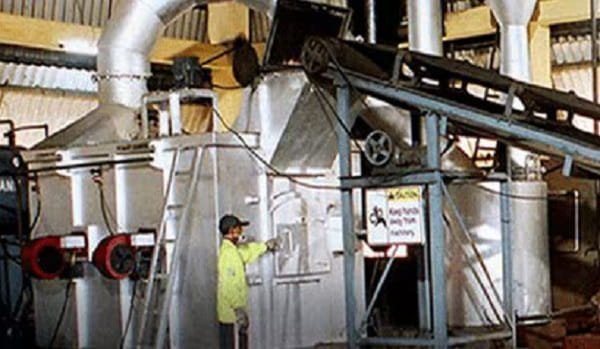
Ramky Enviro Engineers, one of India’s largest environmental management companies, provides integrated waste management services for industries, municipalities, and healthcare facilities across the country and has one of the most comprehensive service portfolios in the Indian waste management sector spanning municipal solid waste, hazardous waste, industrial waste, biomedical waste, and specialty waste streams. In September 2025, Ramky Enviro commissioned a 150-TPD anaerobic-digestion plant in Visakhapatnam, securing a decade-long offtake agreement with Bharat Petroleum at USD 0.54 per kg of bio-CNG — one of India’s most significant waste-to-energy partnerships announced in 2025.
Ramky Enviro Engineers serves municipal corporations, industrial facilities, and healthcare institutions across India with its comprehensive waste management and environmental services, and is the most diversified and geographically widespread Indian-origin waste management company competing directly with international environmental services majors in India’s growing formal waste management sector.
2. Antony Waste Handling Cell Limited
Antony Waste Handling Cell, a publicly listed company and a leading Indian municipal solid waste contractor, provides integrated waste management services including collection, transportation, mechanised processing, and landfill management across multiple Indian cities under public-private partnership models. In November 2025, Antony Waste bagged a 15-year USD 100 million contract from Greater Noida to manage a 400 TPD materials-recovery facility and citywide collection — one of the largest single waste management contracts awarded in India in 2025. The company’s stock market listing provides exceptional transparency for investors seeking pure-play municipal waste management exposure.
Antony Waste Handling Cell serves municipal corporations across India with its comprehensive MSW collection and processing services, and its publicly listed status combined with large long-term municipal contracts provides revenue visibility and institutional investment access that distinguish it from private waste management companies in India’s rapidly formalising waste sector.
3. Attero Recycling Private Limited
Attero Recycling, India’s leading lithium-ion battery recycler, demonstrated 98 percent metal-recovery yields that underscore the extraordinary value capture potential of organised battery recycling as India’s EV adoption accelerates. In January 2026, Attero and Tata Motors agreed to open 50 lithium-ion battery collection centres across three states, targeting 20,000 tonnes annual throughput by 2028 — one of the most commercially significant EV battery circular economy partnerships in India. Attero’s advanced hydrometallurgical process recovers lithium, cobalt, nickel, and manganese from spent batteries, making critical battery minerals available for reuse in new battery manufacturing.
Attero Recycling serves India’s growing battery recycling market created by EV adoption, lithium-ion battery proliferation in consumer electronics, and Extended Producer Responsibility regulations that mandate take-back programs, and its 98 percent metal recovery yield and Tata Motors partnership position it as the most strategically important battery recycler as India builds its EV circular economy.
4. BVG India Limited
BVG India, a facility management leader with a strong waste management division, won a USD 74 million design-build-operate deal with Indore in August 2024, including a 600-TPD composting unit tied to landfill-diversion KPIs — one of the largest composting infrastructure contracts in India. The company provides integrated cleaning, waste handling, and disposal services for large-scale facilities, municipal corporations, airports, and industrial campuses. BVG is one of India’s most established facility management companies with significant waste management operations across multiple Indian cities.
BVG India serves municipal corporations, large institutions, airports, and industrial facilities with its integrated waste management and facility management services, and its Indore composting contract demonstrates its capability to design, build, and operate large-scale organic waste processing infrastructure that forms the backbone of India’s push toward zero-waste-to-landfill cities.
5. Ion Exchange (India) Limited
Ion Exchange India, a publicly listed company and one of India’s leading water and environmental management solution providers, builds water treatment plants, recycling systems, and water purification equipment serving industrial, municipal, and institutional segments across global markets. The company’s expertise in water treatment technology positions it at the intersection of waste management and water security, addressing both effluent treatment and water reuse across India’s water-stressed industrial zones.
Ion Exchange India serves industrial, municipal, and institutional clients with its water treatment and recycling systems, and its technology-led approach to water management and wastewater treatment makes it one of India’s most specialised environmental solutions companies serving the treatment and recycling side of India’s waste and water management ecosystem.
6. A2Z Green Waste Management Limited
A2Z Green Waste Management, a listed company and one of India’s significant municipal and industrial waste management operators, provides comprehensive services including collection, transportation, processing, and disposal alongside waste-to-energy project development. The company is recognised among India’s key waste management players by market research firms including Mordor Intelligence and Ken Research, and has been involved in multiple municipal waste management contracts across North Indian cities.
A2Z Green Waste Management serves municipal corporations and industrial clients with its waste collection, processing, and disposal services, and its experience in executing municipal waste contracts across North India gives it operational expertise in the large-volume collection and processing challenges of India’s densely populated cities.
7. Namo eWaste Management Limited
Namo eWaste, a publicly listed specialist in e-waste collection, dismantling, and recycling, positions itself as one of India’s largest organised e-waste recyclers with pan-India reach and revenue streams including value recovery from printed circuit boards, cables, and batteries alongside Extended Producer Responsibility services for electronics brands. India generated roughly 3.2 million tonnes of electronic scrap in 2025, but only 22 percent reached authorised recyclers, highlighting the vast untapped reservoir that organised players like Namo eWaste are positioned to capture as e-waste regulations tighten.
Namo eWaste serves electronics brands seeking EPR compliance and handles collected e-waste from consumers, retailers, and institutions with its authorised recycling and metal recovery capabilities, and as India’s e-waste volumes grow with electronics proliferation and EPR mandates force brands to fund take-back programs, Namo eWaste occupies a structurally benefiting position in India’s rapidly expanding formal e-waste economy.
8. Re Sustainability (formerly Ramky Enviro Engineers North)
Re Sustainability, the rebranded operations entity focused on sustainable resource recovery and environmental services, is cited among India’s key waste management companies by Ken Research alongside Ramky Enviro Engineers, Antony Waste, and Attero Recycling. The company focuses on industrial waste management, hazardous waste treatment, and resource recovery with a sustainability-first brand positioning that appeals to large industrial clients with strong ESG mandates requiring responsible hazardous waste disposal.
Re Sustainability serves large industrial clients, power plants, and chemical companies with its hazardous waste management and resource recovery services, and its sustainability-focused brand positioning and hazardous waste specialisation gives it differentiated appeal among industrial clients who require documented, compliant, and environmentally responsible waste disposal solutions.
9. Gravita India Limited
Gravita India, a publicly listed company and India’s leading lead and aluminium recycler, is one of the country’s most commercially successful organised metal recyclers, processing scrap lead-acid batteries, aluminium scrap, and other non-ferrous metals into refined metal products for sale to industrial buyers. The company exports its recycled metals internationally and has operations across India, Africa, and other markets, making it one of India’s most globally active recycling companies and a significant contributor to India’s circular economy in the metals sector.
Gravita India serves battery manufacturers, automotive companies, and industrial metal buyers with its recycled lead and aluminium products, and its integrated collection, processing, and refining capabilities across non-ferrous metals place it at the most commercially valuable end of India’s recycling value chain where recovered metal products command premium prices.
10. Eco Recycling Limited (Ecoreco)
Eco Recycling Limited, known as Ecoreco and described as India’s leading e-waste recycling company, handles collection, dismantling, and safe disposal of electronic waste to prevent environmental contamination. The company is consistently cited among India’s top waste management companies for its role in the e-waste segment alongside Namo eWaste, and operates as part of India’s growing ecosystem of CPCB-authorised e-waste recyclers that provide compliant disposal channels for India’s expanding electronic waste stream.
Ecoreco serves electronics companies seeking EPR compliance and individual consumers, institutions, and businesses seeking responsible electronic waste disposal with its authorised e-waste collection and recycling services, and as India’s EPR regulations become more strictly enforced, the company’s authorised recycler status positions it as a necessary compliance partner for electronics brand owners.
Frequently Asked Questions (FAQs)
Q: Which is the largest waste management company in India in 2026?
A: Ramky Enviro Engineers is widely recognised as India’s largest integrated waste management company by service breadth, covering municipal, industrial, hazardous, and biomedical waste streams. Antony Waste Handling Cell is the largest publicly listed MSW contractor. By market capitalisation among listed companies, Ion Exchange India and Gravita India are among the most financially prominent listed waste management companies, reflecting their established scale and investor recognition.
Q: What is the size of India’s waste management market?
A: The India waste management market was valued at USD 14.29 billion in 2026 and is set to reach USD 18.94 billion by 2031, growing at a CAGR of 5.80 percent. India generates over 65 million tonnes of municipal solid waste annually, projected to reach 165 million tonnes by 2030. Municipal solid waste dominates at 57.3 percent of revenues, while e-waste represents the most rapid expansion path at a 7.4 percent CAGR through 2031.
Q: How is the Swachh Bharat Mission impacting the waste management sector?
A: The Swachh Bharat Mission Urban 2.0 and Gramin programs are the primary government programs expanding formal waste collection and treatment across India. These programs provide funding to municipal corporations for mechanised collection fleets, waste processing infrastructure, and landfill remediation. The 15th Finance Commission grants are helping city governments mechanise collection fleets, improving both the efficiency and volume of formal waste management operations, directly benefiting private operators through PPP contracts.
Q: What is Extended Producer Responsibility and how is it changing the waste management market?
A: Extended Producer Responsibility or EPR is a policy that makes manufacturers and importers financially responsible for the collection and recycling of their products after consumer use. India’s Plastic Waste Management Amendment Rules 2024 and e-waste regulations require brand owners to meet hard recycling quotas, either directly or by paying authorised recyclers like Attero and Namo eWaste for documented recycling services. EPR is creating a significant new funding mechanism for formal recycling operations beyond municipal budgets.
Q: What is the opportunity in battery recycling in India?
A: India’s battery recycling market for lithium-ion batteries is projected to more than triple between 2026 and 2031 as FAME-III EPR rules mature and EV adoption accelerates. Attero Recycling demonstrated 98 percent metal-recovery yields and is targeting 20,000 tonnes of annual lithium-ion battery throughput by 2028 through its Tata Motors partnership. The value of critical minerals recovered from spent EV batteries including lithium, cobalt, and nickel can significantly exceed the cost of recycling, making battery recycling one of the highest-potential segments in India’s circular economy.