Milk is one of the most essential food products consumed worldwide, making dairy farming a cornerstone of the agricultural economy. From fresh milk and butter to cheese, yogurt, and other dairy products, the demand remains consistent throughout the year. As populations grow and nutritional awareness increases, the dairy farming business continues to offer promising opportunities for entrepreneurs seeking a stable and long-term agricultural venture.
A dairy farming business involves raising and managing dairy animals such as cows, buffaloes, or goats for the commercial production of milk and other dairy products. Modern dairy farms may also earn revenue through breeding, manure sales, and value-added dairy processing. While the business provides regular income and strong market demand, it also requires proper animal care, quality feed, disease management, and efficient farm operations. Understanding the advantages and disadvantages of dairy farming can help entrepreneurs evaluate its long-term business potential.
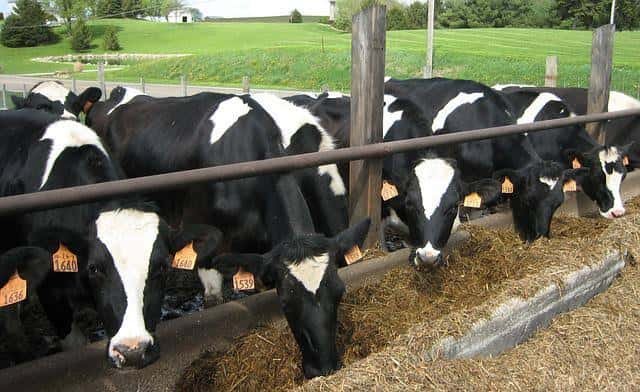
Advantages of a Dairy Farming Business
1. Consistent Market Demand
Milk and dairy products are everyday necessities for households, restaurants, hotels, bakeries, and food manufacturers. Since demand remains relatively stable throughout the year, dairy farming provides a reliable market for producers and reduces dependence on seasonal sales.
2. Regular Cash Flow
Unlike many agricultural businesses that generate income only after harvest, dairy farming produces daily or frequent revenue through milk sales. This regular cash flow helps farmers manage operating expenses and maintain business stability.
3. Multiple Revenue Sources
Besides selling milk, dairy farmers can earn additional income from products such as curd, butter, cheese, paneer, ghee, yogurt, breeding services, calf sales, and organic manure. Diversifying products helps improve overall profitability.
4. Growing Demand for Value-Added Products
Consumer interest in premium dairy products such as organic milk, flavored milk, artisanal cheese, probiotic yogurt, and traditional dairy items has created new opportunities for business expansion and higher profit margins.
5. Utilization of Agricultural Resources
Crop residues, green fodder, and agricultural by-products can be used as animal feed, improving resource utilization and supporting integrated farming practices.
6. Employment Generation
Dairy farming creates employment opportunities in animal care, milk collection, transportation, feed production, processing, packaging, veterinary services, and marketing, contributing to rural economic development.
7. Scalable Business Model
Entrepreneurs can start with a small number of dairy animals and gradually expand their herd, infrastructure, and processing capacity as market demand and financial resources increase.
8. Valuable Organic By-products
Animal manure can be used as organic fertilizer or processed into biogas, reducing waste while creating additional income and supporting environmentally sustainable farming.
Disadvantages of a Dairy Farming Business
1. High Initial Investment
Establishing a dairy farm requires considerable investment in dairy animals, sheds, milking equipment, storage facilities, feed systems, water supply, and other essential infrastructure.
2. Continuous Animal Care
Dairy animals require daily feeding, clean water, regular milking, proper housing, health monitoring, and veterinary care. Neglecting routine management can directly affect milk production and animal welfare.
3. Feed Cost Fluctuations
Feed represents one of the largest operating expenses in dairy farming. Rising prices of fodder, grains, and nutritional supplements can significantly reduce profit margins.
4. Disease and Health Risks
Animals are susceptible to various diseases that may lower milk production, increase veterinary expenses, or cause financial losses if preventive healthcare measures are not maintained.
5. Labour-Intensive Operations
Milking, feeding, cleaning, breeding, and maintaining hygiene require consistent labour every day, including weekends and holidays, making dairy farming a demanding business.
6. Milk Price Variations
The prices paid by dairy cooperatives, processors, or local markets may fluctuate due to supply, demand, seasonal production, and economic conditions, affecting business income.
7. Storage and Transportation Challenges
Fresh milk is highly perishable and requires proper cooling, storage, and timely transportation to maintain quality and prevent spoilage.
8. Regulatory and Quality Compliance
Commercial dairy farms must comply with animal welfare standards, food safety regulations, milk quality requirements, and environmental guidelines, which may increase operational responsibilities.
Conclusion
A dairy farming business offers stable demand, recurring income, and multiple opportunities for diversification through value-added dairy products. However, achieving long-term success requires efficient herd management, proper nutrition, disease prevention, and effective cost control.
Frequently Asked Questions (FAQs)
Q1. Which dairy animals are commonly used in commercial dairy farming?
Commercial dairy farms commonly raise cows and buffaloes, while some regions also produce milk from goats depending on market demand and local farming practices.
Q2. What factors influence milk production on a dairy farm?
Milk production depends on animal breed, nutrition, healthcare, breeding practices, housing conditions, water availability, stress management, and overall farm management.
Q3. Can dairy farming be combined with other agricultural activities?
Yes. Many farmers integrate dairy farming with crop cultivation, biogas production, organic fertilizer production, and fodder cultivation to improve resource utilization and diversify income.
Q4. What equipment is commonly required for a dairy farm?
A commercial dairy farm may require milking machines, milk storage tanks, cooling equipment, feeding systems, water supply facilities, cleaning equipment, and proper animal housing infrastructure, depending on the scale of operations.