From grand weddings and corporate conferences to music festivals, product launches, and private celebrations, professionally managed events have become an essential part of modern life. As individuals and organizations increasingly seek memorable and well-organized experiences, the demand for event planning services continues to grow. This has made the event management business an attractive opportunity for creative entrepreneurs with strong organizational and communication skills.
An event management business specializes in planning, organizing, coordinating, and executing various types of events. Services may include venue selection, decoration, catering coordination, entertainment, logistics, budgeting, guest management, marketing, and on-site event execution. While the industry offers significant earning potential and diverse business opportunities, it also requires effective planning, vendor management, and the ability to handle unexpected challenges. Understanding its advantages and disadvantages can help entrepreneurs determine whether this dynamic business is the right investment.
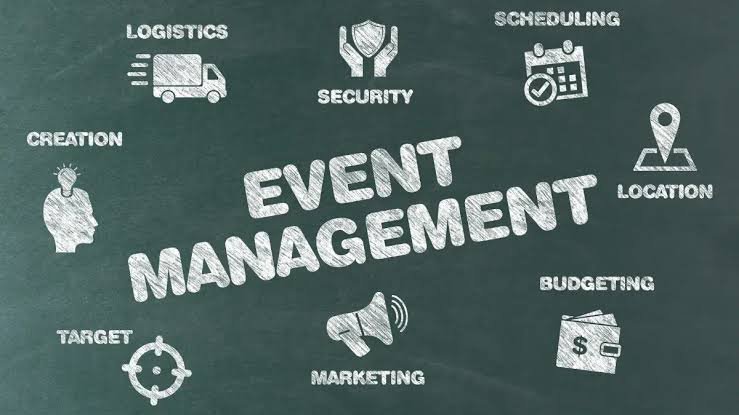
Advantages of an Event Management Business
1. Growing Market Demand
The demand for professional event management services continues to increase as businesses, families, educational institutions, and government organizations organize weddings, conferences, exhibitions, cultural programs, sports events, and promotional campaigns. This expanding market creates numerous business opportunities throughout the year.
2. Multiple Revenue Streams
An event management company can generate income through event planning fees, venue management, decoration services, sponsorship management, ticket sales, equipment rentals, artist management, catering coordination, photography, and event marketing. Multiple income sources help improve overall profitability.
3. Low Inventory Requirements
Unlike manufacturing or retail businesses, event management does not require maintaining large inventories of products. Most resources such as decorations, sound systems, lighting equipment, and furniture can be rented or sourced through vendor partnerships, reducing inventory risks.
4. Scalable Business Model
Entrepreneurs can begin by managing small local events and gradually expand into corporate events, destination weddings, exhibitions, concerts, or international conferences. Business growth can be achieved without fundamentally changing the operating model.
5. Strong Networking Opportunities
The business involves regular interaction with clients, hotels, caterers, decorators, photographers, entertainers, sponsors, and corporate organizations. These professional relationships often lead to repeat business and valuable referrals.
6. Creative and Dynamic Career
Every event presents new themes, client requirements, and creative challenges. This keeps the business exciting while allowing entrepreneurs to showcase innovation, problem-solving skills, and unique event concepts.
7. Repeat Business Potential
Corporate clients, educational institutions, government agencies, and businesses frequently organize recurring events such as annual meetings, product launches, exhibitions, and employee engagement programs, creating opportunities for long-term client relationships.
8. High Profit Potential
Well-managed events with efficient budgeting, strong vendor negotiations, and premium service offerings can generate attractive profit margins, particularly for large-scale weddings, corporate events, and luxury celebrations.
Disadvantages of an Event Management Business
1. High Work Pressure
Event managers often work under strict deadlines where even minor mistakes can affect the success of an event. Careful planning and quick decision-making are essential throughout the project.
2. Seasonal Demand
Business demand may fluctuate depending on wedding seasons, festivals, corporate calendars, holidays, and local event schedules, resulting in uneven revenue throughout the year.
3. Dependence on External Vendors
The successful execution of an event relies heavily on caterers, decorators, transport providers, photographers, entertainers, and equipment suppliers. Delays or service failures by vendors can impact customer satisfaction.
4. Unpredictable Challenges
Weather conditions, technical failures, venue issues, transportation delays, or last-minute client changes can create unexpected problems that require immediate solutions.
5. Long and Irregular Working Hours
Event managers frequently work during weekends, holidays, and late nights to supervise event preparation, rehearsals, and execution, especially during peak seasons.
6. Intense Competition
The event management industry includes numerous local planners, specialized agencies, and established companies. Standing out requires creativity, excellent customer service, competitive pricing, and a strong portfolio.
7. Cash Flow Management
Large events often require advance payments to vendors before receiving the full payment from clients. Poor financial planning can create temporary cash flow challenges.
8. Reputation Risks
Since event management depends heavily on customer satisfaction and referrals, a single poorly managed event or negative review can significantly affect future business opportunities.
Conclusion
An event management business offers exciting career opportunities, creative satisfaction, and strong earning potential. However, long-term success depends on excellent planning, reliable vendor partnerships, financial discipline, and the ability to consistently deliver memorable events.
Frequently Asked Questions (FAQs)
Q1. What types of events can an event management company organize?
Event management companies can organize weddings, corporate conferences, exhibitions, trade shows, product launches, concerts, birthday parties, award ceremonies, cultural programs, sports events, and charity fundraisers.
Q2. What skills are essential for running an event management business?
Important skills include project planning, budgeting, communication, negotiation, leadership, time management, problem-solving, creativity, and vendor coordination.
Q3. Can an event management business be started from home?
Yes. Many entrepreneurs begin by operating from home, coordinating with clients and vendors remotely, and later establish a dedicated office as the business expands.
Q4. How does an event management company attract clients?
Businesses typically attract clients through referrals, social media marketing, professional websites, online reviews, networking events, partnerships with venues, and showcasing successful past events through portfolios and testimonials.