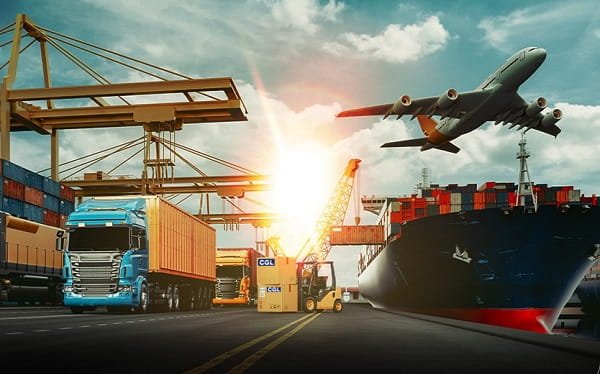
Every day, millions of products travel from factories to warehouses, from farms to markets, and from online sellers to customers’ doorsteps. Behind this seamless movement is the transport and logistics industry—a critical part of the global supply chain that ensures goods reach the right place at the right time. Whether it is a truck delivering groceries, a cargo ship transporting containers across oceans, or a courier bringing an online order to your home, transport and logistics businesses keep economies moving.
A transport and logistics business involves the movement, storage, handling, and distribution of goods through road, rail, air, or sea transportation. Services may include freight transportation, courier and parcel delivery, warehousing, inventory management, supply chain solutions, freight forwarding, and last-mile delivery. Businesses in this sector serve manufacturers, wholesalers, retailers, e-commerce companies, exporters, importers, and individual customers.
The rapid growth of e-commerce, globalization, and industrial production has significantly increased the demand for reliable logistics services. Modern technologies such as GPS tracking, fleet management software, warehouse automation, and real-time shipment monitoring have also improved operational efficiency and customer satisfaction.
However, despite its strong growth potential, the transport and logistics business faces challenges such as high operating costs, fuel price fluctuations, regulatory compliance, vehicle maintenance, and increasing competition. Understanding both the advantages and disadvantages of a transport and logistics business is essential before entering this dynamic industry.
Advantages of a Transport and Logistics Business
1. Growing Market Demand
The continuous expansion of e-commerce, manufacturing, retail, and international trade has created a steady demand for transportation and logistics services.
2. Multiple Revenue Opportunities
Businesses can earn income through freight transportation, courier services, warehousing, supply chain management, last-mile delivery, fleet leasing, and logistics consulting.
3. Essential Industry
Transport and logistics services are vital for almost every industry, ensuring consistent business opportunities regardless of the products being transported.
4. Scalable Business Model
Entrepreneurs can start with a small fleet or limited services and gradually expand by adding more vehicles, warehouses, routes, or logistics solutions.
5. Technology-Driven Efficiency
Modern tools such as GPS tracking, route optimization software, digital inventory systems, and fleet management applications help improve productivity and reduce operational costs.
6. Diverse Customer Base
Transport and logistics businesses can serve manufacturers, retailers, wholesalers, healthcare providers, construction companies, agricultural businesses, and e-commerce platforms.
7. Long-Term Business Relationships
Reliable service often leads to long-term contracts with corporate clients, providing recurring revenue and business stability.
8. Expansion into New Markets
Businesses can grow by expanding into regional, national, or international transportation services based on demand and operational capacity.
Disadvantages of a Transport and Logistics Business
1. High Initial Investment
Starting a transport and logistics business often requires significant investment in vehicles, warehouses, equipment, technology, insurance, and infrastructure.
2. Fuel Price Fluctuations
Changes in fuel prices can substantially increase operating expenses and reduce profit margins if costs cannot be passed on to customers.
3. Vehicle Maintenance Costs
Commercial vehicles require regular servicing, repairs, tyre replacements, and preventive maintenance to ensure safety and reliability.
4. Regulatory Compliance
Businesses must comply with transportation laws, vehicle permits, safety regulations, taxation requirements, environmental standards, and labour regulations.
5. Driver and Workforce Management
Recruiting and retaining qualified drivers, warehouse staff, and logistics professionals can be challenging, especially during labour shortages.
6. Delivery Delays
Traffic congestion, adverse weather, road closures, mechanical failures, or supply chain disruptions can affect delivery schedules and customer satisfaction.
7. Intense Competition
The logistics industry includes numerous local, regional, and international companies, making pricing, service quality, and operational efficiency critical for success.
8. Rising Operating Expenses
Insurance premiums, vehicle financing, toll charges, wages, technology upgrades, and maintenance costs can increase the overall cost of running the business.
Conclusion
A transport and logistics business offers strong growth potential due to increasing demand from e-commerce, manufacturing, and global trade. However, achieving long-term success requires efficient fleet management, cost control, regulatory compliance, and reliable customer service.
Frequently Asked Questions (FAQs)
Q1. Is the transport and logistics business profitable?
A: Yes. It can be profitable when operations are efficiently managed, vehicles are well utilized, expenses are controlled, and long-term customer contracts are maintained.
Q2. What services can a transport and logistics business provide?
A: Services may include freight transportation, courier delivery, warehousing, inventory management, supply chain solutions, freight forwarding, distribution, and last-mile delivery.
Q3. What is the biggest challenge in the transport and logistics business?
A: Major challenges include rising fuel costs, vehicle maintenance, regulatory compliance, delivery delays, driver management, and increasing competition.
Q4. Can a transport and logistics business start on a small scale?
A: Yes. Many entrepreneurs begin with one or two commercial vehicles or a local delivery service and gradually expand their fleet, service areas, and logistics capabilities as the business grows.