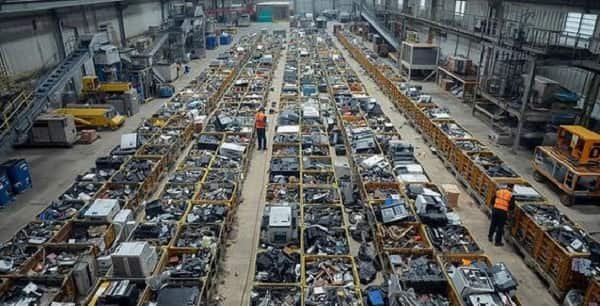
As the world generates increasing amounts of plastic, paper, metal, glass, and electronic waste, recycling has become more than an environmental responsibility—it is a growing business opportunity. Governments, industries, and consumers are placing greater emphasis on sustainable waste management and the efficient use of natural resources. This shift has created strong demand for businesses that can collect, process, and recycle waste into reusable raw materials.
A recycling business involves collecting, sorting, processing, and converting waste materials into products or raw materials that can be used again in manufacturing. Recycling businesses may specialize in plastics, paper, glass, metals, electronic waste (e-waste), textiles, batteries, construction waste, or other recyclable materials. While the industry offers long-term growth potential and contributes to environmental conservation, it also requires investment in equipment, regulatory compliance, and efficient waste management systems. Understanding the advantages and disadvantages of a recycling business can help entrepreneurs evaluate its commercial and environmental potential.
Advantages of a Recycling Business
1. Growing Demand for Sustainable Solutions
Increasing environmental awareness and stricter waste management regulations have created strong demand for recycling services. Industries, municipalities, and consumers are actively seeking responsible ways to reduce waste, creating long-term business opportunities.
2. Multiple Revenue Opportunities
A recycling business can earn income by collecting recyclable materials, processing waste, selling recycled raw materials to manufacturers, offering waste management services, and securing contracts with businesses or local authorities.
3. Positive Environmental Impact
Recycling helps reduce landfill waste, conserve natural resources, lower energy consumption, and decrease pollution. Businesses operating in this sector contribute to a circular economy and support sustainable development.
4. Wide Range of Recyclable Materials
Entrepreneurs can specialize in recycling plastics, paper, cardboard, glass, metals, e-waste, rubber, textiles, batteries, construction debris, or organic waste, allowing them to target different industries and market segments.
5. Government Support and Incentives
Many governments encourage recycling through environmental policies, financial assistance, tax benefits, awareness programs, and waste management initiatives for eligible businesses.
6. Scalable Business Model
A recycling business can begin with waste collection or sorting operations and gradually expand into advanced recycling, manufacturing recycled products, or operating multiple recycling facilities.
7. Stable Industrial Demand
Manufacturers often use recycled materials as production inputs to reduce costs and meet sustainability goals. This creates a consistent market for quality recycled raw materials.
8. Brand Reputation and Business Partnerships
Businesses that promote sustainability often attract environmentally conscious customers, investors, and corporate partners. A strong commitment to responsible waste management can improve brand image and create long-term business relationships.
Disadvantages of a Recycling Business
1. High Initial Investment
Setting up a recycling facility may require substantial capital for land, machinery, collection vehicles, sorting equipment, storage areas, and processing technology.
2. Fluctuating Raw Material Prices
The prices of recyclable materials such as metals, plastics, and paper can vary based on global commodity markets, affecting profitability and financial planning.
3. Complex Regulatory Compliance
Recycling businesses must comply with environmental regulations, waste handling standards, worker safety requirements, pollution control measures, and local licensing obligations.
4. Waste Collection Challenges
Maintaining a consistent supply of quality recyclable materials requires efficient collection systems, supplier networks, and proper waste segregation at the source.
5. High Operating Costs
Expenses related to transportation, labour, electricity, equipment maintenance, fuel, and waste processing can significantly impact overall operating margins.
6. Technology Requirements
Modern recycling operations often depend on specialized machinery and advanced sorting technologies. Equipment upgrades and maintenance may require continuous investment.
7. Market Competition
The recycling industry includes numerous local collectors, waste management companies, and large processing facilities. Businesses must compete on pricing, processing efficiency, and material quality.
8. Health and Safety Risks
Workers handling waste materials may be exposed to dust, sharp objects, hazardous substances, and heavy equipment. Maintaining strict workplace safety standards is essential to reduce operational risks.
Conclusion
A recycling business combines commercial opportunities with environmental responsibility by converting waste into valuable resources. Although it requires significant investment, regulatory compliance, and efficient operations, it offers strong long-term growth potential as demand for sustainable waste management continues to increase.
Frequently Asked Questions (FAQs)
Q1. Which materials are most commonly recycled?
A: Common recyclable materials include plastic, paper, cardboard, glass, aluminum, steel, electronic waste, rubber, textiles, batteries, and certain construction materials.
Q2. Who are the major customers of a recycling business?
A: Customers typically include manufacturing companies, packaging industries, construction firms, municipalities, waste management companies, and businesses that use recycled raw materials in production.
Q3. Can a recycling business start on a small scale?
A: Yes. Many entrepreneurs begin with waste collection, segregation, or scrap trading and gradually expand into processing and manufacturing recycled products as the business grows.
Q4. What skills are important for running a recycling business?
A: Successful recycling businesses require knowledge of waste management, logistics, environmental regulations, quality control, equipment maintenance, supplier management, and market demand for recycled materials.