A well-designed interior does more than enhance the appearance of a space—it improves functionality, comfort, and the overall user experience. As homeowners, businesses, hotels, restaurants, and commercial establishments increasingly invest in aesthetically pleasing and practical interiors, the demand for professional interior design services continues to grow. This trend has made the interior design business a rewarding opportunity for creative professionals and entrepreneurs.
An interior design business specializes in planning, designing, and decorating residential, commercial, and institutional spaces. Services may include space planning, furniture selection, lighting design, color consultation, material selection, project management, and renovation coordination. While the business offers excellent income potential and creative freedom, it also requires strong design skills, project management expertise, and effective client communication. Understanding the advantages and disadvantages of an interior design business can help entrepreneurs evaluate its long-term potential.
Advantages of an Interior Design Business
1. Growing Demand for Professional Design Services
With rising urbanization, increasing disposable incomes, and greater focus on modern living spaces, demand for interior design services has grown across residential, commercial, hospitality, healthcare, and retail sectors. This creates continuous opportunities for skilled designers.
2. High Income Potential
Interior design projects often involve substantial budgets, particularly for luxury homes, corporate offices, hotels, restaurants, and commercial developments. Well-established designers with a strong reputation can earn attractive profits from premium projects.
3. Multiple Revenue Streams
An interior design business can generate income through design consultation, project management, furniture sourcing, custom décor solutions, renovation planning, 3D visualization services, and commissions from material or furniture suppliers where applicable.
4. Creative and Rewarding Career
Every project presents unique design challenges and client preferences, allowing designers to apply creativity while transforming empty or outdated spaces into attractive and functional environments.
5. Wide Client Base
Interior designers can work with homeowners, builders, architects, real estate developers, hotels, restaurants, hospitals, educational institutions, offices, retail stores, and government organizations, reducing dependence on a single market segment.
6. Scalable Business Opportunities
A designer can begin as an independent consultant and gradually expand by hiring architects, designers, project managers, and installation teams or by opening multiple design studios.
7. Strong Referral Business
Satisfied clients often recommend interior designers to friends, relatives, business associates, and property developers. Positive word-of-mouth referrals can significantly reduce marketing costs and generate repeat business.
8. Integration with Modern Technology
Advanced design software, 3D rendering, virtual reality walkthroughs, and digital project management tools help improve design accuracy, client presentations, and overall project efficiency.
Disadvantages of an Interior Design Business
1. Intense Market Competition
The interior design industry includes independent designers, design studios, architecture firms, and turnkey contractors. Building a strong brand and maintaining a competitive edge requires continuous innovation and quality service.
2. Project Delays
Construction delays, material shortages, labour issues, client modifications, or supplier problems can extend project timelines and increase operational costs.
3. High Client Expectations
Clients often expect personalized designs, strict adherence to budgets, timely project completion, and flawless execution. Managing these expectations requires excellent communication and planning.
4. Dependence on Contractors and Suppliers
Successful project completion relies on carpenters, electricians, painters, plumbers, furniture manufacturers, and material suppliers. Delays or poor workmanship by third parties can affect customer satisfaction.
5. Cash Flow Challenges
Interior designers may need to pay suppliers, contractors, and labour costs before receiving full payment from clients, making effective financial management essential.
6. Constant Design Trends
Interior design styles, materials, furniture, and technology evolve regularly. Designers must continuously update their knowledge and skills to remain competitive in the market.
7. Time-Intensive Project Management
Managing multiple projects simultaneously requires regular site visits, client meetings, vendor coordination, budgeting, and quality inspections, making the business highly demanding.
8. Reputation-Dependent Business
The success of an interior design business largely depends on customer satisfaction, completed project portfolios, online reviews, and referrals. A few poorly executed projects can negatively affect future business opportunities.
Conclusion
An interior design business offers excellent opportunities for creative entrepreneurs to build a profitable and rewarding career. However, long-term success depends on innovative designs, effective project management, reliable vendor coordination, and consistently delivering high-quality results that exceed client expectations.
Frequently Asked Questions (FAQs)
Q1. What types of projects does an interior design business handle?
A: Interior designers work on residential homes, apartments, offices, retail stores, hotels, restaurants, hospitals, educational institutions, commercial buildings, and renovation projects.
Q2. Is formal education necessary to start an interior design business?
A: While formal education or professional training can strengthen technical knowledge and credibility, practical experience, design skills, creativity, and a strong portfolio are also important for building a successful business.
Q3. How do interior designers present their ideas to clients?
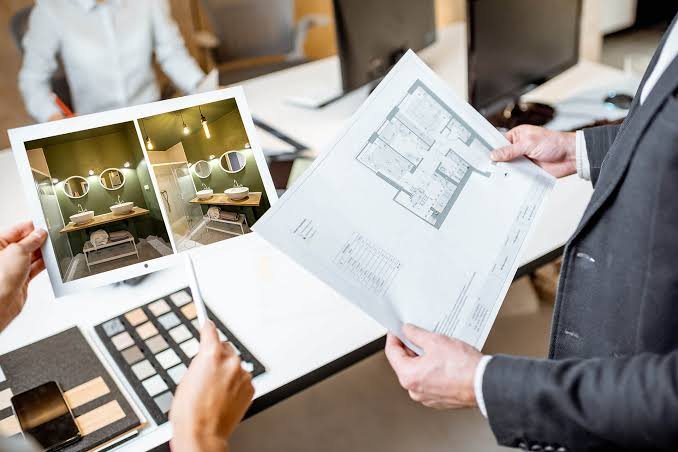
A: Interior designers commonly use floor plans, mood boards, material samples, 3D renderings, computer-aided design (CAD) software, and virtual walkthroughs to help clients visualize the proposed design.
Q4. What factors influence the cost of an interior design project?
A: Project costs depend on the size of the property, design complexity, quality of materials, furniture selection, customization requirements, labour costs, project timeline, and the scope of services provided.