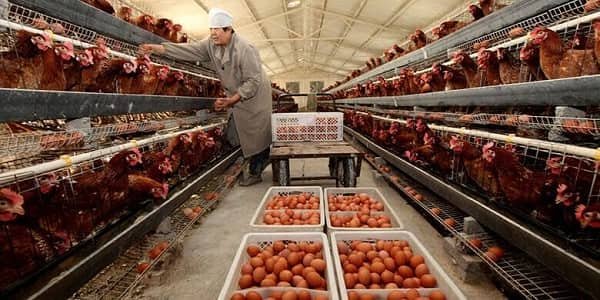
A poultry farming business involves the commercial rearing of domesticated birds such as chickens, ducks, turkeys, quails, and other poultry for the production of eggs, meat, or breeding stock. Among these, chicken farming is the most common due to the high demand for poultry meat and eggs across domestic and international markets.
Poultry farming has become one of the fastest-growing sectors in the agricultural industry because of increasing consumer demand for affordable protein-rich food. Depending on the scale of operation, poultry farms may range from small backyard units to large commercial farms equipped with automated feeding, watering, and climate-control systems. With proper planning, biosecurity measures, and efficient farm management, poultry farming can generate a steady source of income throughout the year.
However, like any agricultural business, poultry farming also comes with challenges such as disease outbreaks, rising feed costs, market price fluctuations, and the need for strict hygiene standards. Understanding both the advantages and disadvantages of a poultry farming business is essential before investing in this industry.
Advantages of a Poultry Farming Business
1. High Market Demand
Poultry meat and eggs are widely consumed around the world, creating consistent demand from households, restaurants, hotels, supermarkets, and food processing companies.
2. Relatively Quick Returns
Compared to many other farming businesses, broiler chickens can reach market weight within a few weeks, allowing farmers to generate revenue in a relatively short period.
3. Multiple Income Sources
A poultry farm can earn income from the sale of eggs, meat, chicks, breeding birds, manure, and other poultry-related products, reducing dependence on a single revenue stream.
4. Efficient Use of Space
Poultry farming generally requires less land than many forms of livestock farming, making it suitable for both rural and peri-urban areas when operated in compliance with local regulations.
5. Scalable Business Model
Entrepreneurs can begin with a small flock and gradually expand their operations as demand, experience, and financial resources increase.
6. Employment Opportunities
Commercial poultry farms create jobs in farm management, feeding, veterinary care, transportation, processing, packaging, and marketing.
7. Valuable By-Products
Poultry manure is commonly used as organic fertilizer, providing an additional source of income while supporting sustainable agricultural practices.
8. Growing Demand for Value-Added Products
Consumer demand for processed chicken, packaged eggs, organic poultry products, and ready-to-cook items provides opportunities for business diversification and higher profit potential.
Disadvantages of a Poultry Farming Business
1. Disease Outbreak Risks
Poultry farms are vulnerable to infectious diseases that can spread rapidly, resulting in significant financial losses if biosecurity measures are not properly maintained.
2. Rising Feed Costs
Feed is one of the largest operating expenses in poultry farming. Increases in feed prices can significantly reduce profit margins.
3. Market Price Fluctuations
The selling prices of poultry meat and eggs can vary due to changes in supply, consumer demand, seasonal factors, and production costs.
4. High Initial Investment
Commercial poultry farming may require considerable investment in housing, equipment, feeding systems, water supply, ventilation, and quality breeding stock.
5. Continuous Management Required
Birds require daily feeding, clean water, health monitoring, sanitation, and environmental management, making poultry farming a labour-intensive business.
6. Strict Biosecurity and Hygiene Standards
Maintaining proper sanitation, waste management, vaccination schedules, and disease prevention protocols is essential to protect flock health and comply with regulatory requirements.
7. Environmental Challenges
Poor waste disposal, unpleasant odours, and water pollution can create environmental concerns if manure and farm waste are not managed responsibly.
8. Losses Due to Mortality
Unexpected bird mortality caused by disease, poor management, extreme weather, or equipment failure can directly impact production and profitability.
Conclusion
A poultry farming business offers strong income potential due to the consistent demand for poultry products and the opportunity for relatively quick returns. However, long-term success depends on effective farm management, disease prevention, cost control, and compliance with animal health and food safety standards.
Frequently Asked Questions (FAQs)
Q1. Is poultry farming a profitable business?
A: Yes. Poultry farming can be profitable when birds are managed efficiently, feed costs are controlled, disease risks are minimized, and there is steady market demand for meat or eggs.
Q2. Which is more profitable: egg production or meat production?
A: Both can be profitable depending on market demand, production costs, available infrastructure, and the farmer’s business strategy. Some farms also combine both activities to diversify income.
Q3. What is the biggest challenge in poultry farming?
A: One of the biggest challenges is preventing disease outbreaks while managing feed costs, maintaining biosecurity, and ensuring consistent flock health.
Q4. Can poultry farming be started on a small scale?
A: Yes. Many entrepreneurs begin with a small flock to gain practical experience and gradually expand into larger commercial operations as demand and financial capacity grow.