Imagine walking through a farm where crops are grown without relying on synthetic fertilizers or chemical pesticides, the soil becomes healthier with every season, and consumers willingly pay a premium for food they believe is safer and more environmentally friendly. This is the foundation of an organic farming business—a farming system that focuses on natural methods to produce crops and livestock while protecting the environment and maintaining long-term soil fertility.
An organic farming business involves cultivating fruits, vegetables, grains, pulses, spices, herbs, and other agricultural products using organic manure, compost, green manure, crop rotation, biological pest control, and other sustainable farming practices. Instead of depending on synthetic chemicals, organic farmers aim to maintain ecological balance and improve biodiversity. Growing consumer awareness about health, food safety, and environmental sustainability has significantly increased the demand for certified organic products in both domestic and international markets.
Today, organic farming is more than just an agricultural practice—it has become a promising business opportunity. Organic food is sold through supermarkets, specialty stores, farmers’ markets, online platforms, restaurants, and export channels. Many governments and agricultural organizations also encourage sustainable farming through training programs, certification support, and various promotional initiatives.
However, despite its growing popularity and premium pricing, organic farming presents several challenges. Lower yields during the transition period, strict certification requirements, labour-intensive operations, and pest management without synthetic chemicals require careful planning and expertise. Understanding both the advantages and disadvantages of an organic farming business is essential before investing in this sustainable agricultural sector.
Advantages of an Organic Farming Business
1. Growing Consumer Demand
Increasing awareness of health, food safety, and environmental sustainability has led to strong demand for organic fruits, vegetables, grains, dairy products, and other agricultural commodities.
2. Premium Selling Prices
Certified organic products often command higher market prices than conventionally grown produce, allowing farmers to improve profit margins when market demand is strong.
3. Improved Soil Health
Organic farming practices such as composting, crop rotation, and the use of natural fertilizers help improve soil fertility, structure, and long-term productivity.
4. Environmentally Sustainable
By reducing the use of synthetic chemicals, organic farming helps protect water resources, beneficial insects, wildlife, and overall biodiversity while minimizing environmental pollution.
5. Multiple Marketing Opportunities
Organic products can be sold through local markets, supermarkets, organic food stores, online platforms, subscription-based farm boxes, restaurants, and export markets.
6. Lower Dependence on Synthetic Inputs
Organic farming relies on natural fertilizers, compost, biofertilizers, and biological pest control methods, reducing dependence on synthetic agricultural chemicals.
7. Long-Term Farm Sustainability
Sustainable farming practices help preserve soil quality and natural resources, supporting productive farming over the long term.
8. Export Potential
The global demand for certified organic products continues to grow, creating opportunities for farmers to access premium international markets and diversify their income sources.
Disadvantages of an Organic Farming Business
1. Lower Initial Crop Yields
During the transition from conventional to organic farming, crop yields may temporarily decrease until soil health and natural ecosystems become well established.
2. Certification Requirements
Obtaining and maintaining organic certification often involves inspections, documentation, compliance with prescribed standards, and associated costs.
3. Labour-Intensive Operations
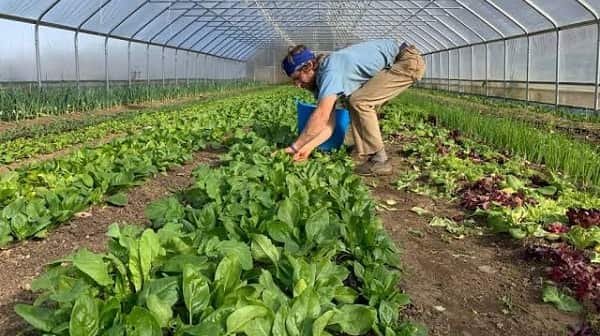
Organic farming generally requires more manual labour for activities such as weed control, compost preparation, pest monitoring, and crop management.
4. Pest and Disease Management Challenges
Without synthetic pesticides, farmers must rely on biological control methods, crop rotation, resistant crop varieties, and other integrated farming practices, which may require greater expertise.
5. Higher Production Costs
Although chemical input costs may be lower, expenses related to labour, certification, organic inputs, and farm management can increase overall production costs.
6. Limited Availability of Organic Inputs
Quality organic seeds, biofertilizers, compost materials, and approved organic crop protection products may not always be readily available in every region.
7. Market Competition
As the organic food industry grows, farmers must maintain consistent product quality, certification standards, and effective marketing to remain competitive.
8. Longer Return on Investment
Building soil fertility, obtaining certification, and establishing a loyal customer base often require patience, making returns slower than some conventional farming systems.
Conclusion
An organic farming business offers excellent opportunities to serve the growing demand for healthy and environmentally sustainable food while supporting long-term agricultural sustainability. However, success requires proper planning, certified organic practices, effective farm management, and access to reliable markets to overcome production and certification challenges.
Frequently Asked Questions (FAQs)
Q1. Is organic farming a profitable business?
Yes. Organic farming can be profitable because certified organic products often sell at premium prices. However, profitability depends on crop selection, certification, production efficiency, and market access.
Q2. What products can be grown through organic farming?
A: Organic farmers can cultivate vegetables, fruits, cereals, pulses, spices, herbs, oilseeds, medicinal plants, and other crops using approved organic farming practices.
Q3. Does organic farming require certification?
A: In many markets, certification is required to legally market products as “organic.” The specific certification process depends on the country’s applicable regulations and certification standards.
Q4. What is the biggest challenge in organic farming?
A: One of the biggest challenges is managing pests and diseases naturally while maintaining crop yields and complying with organic certification requirements.