Imagine generating electricity from the sun that rises every morning, the wind that blows across open landscapes, or agricultural waste that would otherwise go unused. As the world shifts towards cleaner and more sustainable energy sources, renewable energy has emerged as one of the fastest-growing industries of the 21st century. Governments, businesses, and consumers are increasingly investing in clean energy solutions to reduce carbon emissions, improve energy security, and lower dependence on fossil fuels.
A renewable energy business involves the production, installation, operation, maintenance, or sale of energy generated from naturally replenishing sources such as solar, wind, hydropower, biomass, geothermal energy, and tidal power. Businesses in this sector may manufacture renewable energy equipment, develop power generation projects, install rooftop solar systems, provide maintenance services, or supply energy storage and consulting solutions.
Growing environmental awareness, supportive government policies, technological advancements, and declining equipment costs have created significant opportunities in the renewable energy sector. The industry serves residential customers, commercial establishments, industries, agricultural operations, and government organizations seeking clean and reliable energy solutions.
However, despite its enormous growth potential, the renewable energy business also faces challenges such as high initial investment, weather dependence, regulatory approvals, and infrastructure requirements. Understanding both the advantages and disadvantages of a renewable energy business is essential before investing in this rapidly expanding industry.
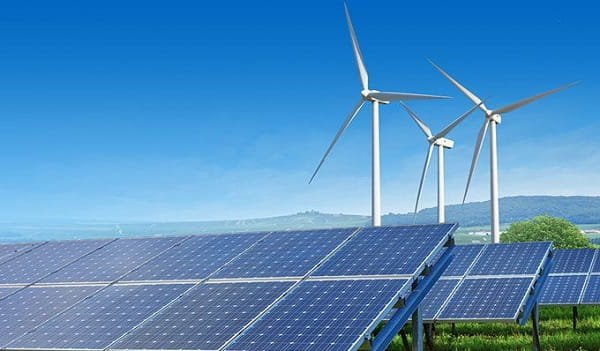
Advantages of a Renewable Energy Business
1. Growing Market Demand
The increasing focus on clean energy, climate change mitigation, and sustainable development has created strong global demand for renewable energy solutions.
2. Long-Term Business Growth
Governments, industries, and households continue to invest in renewable energy projects, providing long-term growth opportunities for businesses operating in this sector.
3. Environmental Benefits
Renewable energy sources produce significantly lower greenhouse gas emissions than conventional fossil fuels, helping reduce air pollution and support environmental sustainability.
4. Multiple Business Opportunities
Entrepreneurs can operate in various segments, including solar panel installation, wind energy projects, battery storage, equipment manufacturing, maintenance services, energy consulting, and project development.
5. Government Support
Many countries encourage renewable energy through financial incentives, policy support, tax benefits, subsidies, and clean energy programs, creating additional opportunities for eligible businesses.
6. Lower Operating Costs
After installation, many renewable energy systems—particularly solar and wind projects—have relatively low operating and maintenance costs compared to conventional power generation.
7. Technological Advancements
Continuous improvements in renewable energy technology, battery storage, smart grids, and energy management systems are increasing efficiency and reducing operational costs.
8. Positive Brand Image
Businesses involved in renewable energy are often viewed as environmentally responsible, which can strengthen their reputation among customers, investors, and business partners.
Disadvantages of a Renewable Energy Business
1. High Initial Investment
Setting up renewable energy projects often requires substantial capital for land, equipment, installation, grid connectivity, and supporting infrastructure.
2. Weather Dependence
Energy generation from solar and wind systems depends on sunlight and wind conditions, which can affect power production and revenue.
3. Regulatory and Approval Requirements
Renewable energy projects may require multiple permits, environmental clearances, grid approvals, and compliance with government regulations before operations begin.
4. Long Payback Period
Large renewable energy projects often require several years to recover the initial investment, depending on project size, financing, and energy production.
5. Land Requirements
Utility-scale solar and wind projects may require significant land areas, which can increase project costs and create site selection challenges.
6. Rapid Technological Changes
Frequent technological advancements may make existing equipment less competitive, requiring businesses to invest in upgrades to maintain efficiency.
7. Grid Integration Challenges
Connecting renewable energy projects to existing electricity grids may require infrastructure upgrades, technical coordination, and additional investment.
8. Skilled Workforce Requirement
Designing, installing, operating, and maintaining renewable energy systems requires trained engineers, technicians, and project management professionals.
Conclusion
A renewable energy business offers excellent long-term opportunities as global demand for clean and sustainable energy continues to grow. However, entrepreneurs should carefully evaluate investment requirements, technology, regulatory compliance, and market conditions to build a successful and sustainable renewable energy business.
Frequently Asked Questions (FAQs)
Q1. Is a renewable energy business profitable?
A: Yes. A renewable energy business can be profitable due to increasing demand for clean energy, long-term power generation opportunities, and expanding commercial and residential markets. Profitability depends on project size, operational efficiency, and market conditions.
Q2. What types of businesses are included in the renewable energy sector?
A: The sector includes solar power installation, wind energy projects, hydropower, biomass energy, battery storage, renewable energy equipment manufacturing, maintenance services, and energy consulting.
Q3. What is the biggest challenge in the renewable energy business?
A: One of the biggest challenges is the high initial investment required for infrastructure, equipment, and project development, along with managing regulatory approvals and weather-related variations in energy generation.
Q4. Can small entrepreneurs enter the renewable energy business?
A: Yes. Small entrepreneurs can start businesses such as rooftop solar installation, renewable energy equipment distribution, maintenance services, energy audits, or consultancy, and expand as demand and experience grow.