The way people work has changed dramatically over the past decade. With the rise of startups, freelancers, remote employees, and hybrid work models, the demand for flexible office solutions has grown rapidly. This has made the co-working space business one of the fastest-growing segments in the commercial real estate industry.
A co-working space business provides shared office facilities such as workstations, private cabins, meeting rooms, high-speed internet, and business support services on flexible membership plans. While this business offers recurring revenue and strong growth opportunities, it also requires significant investment, efficient facility management, and consistently high occupancy. Understanding its advantages and disadvantages can help entrepreneurs evaluate whether this business aligns with their investment goals.
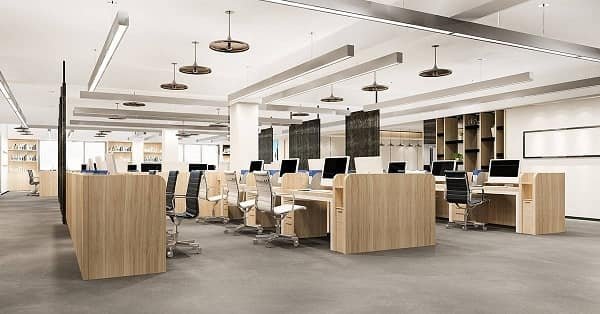
Advantages of a Co-working Space Business
1. Rising Demand for Flexible Workspaces
The increasing adoption of remote work and hybrid work models has created sustained demand for flexible office solutions. Startups, freelancers, consultants, and even established companies are seeking affordable workspaces without committing to long-term commercial leases. This expanding customer base provides consistent business opportunities for co-working space operators.
2. Recurring and Predictable Revenue
Unlike businesses that depend on one-time sales, co-working spaces earn recurring income through monthly memberships, private office rentals, dedicated desks, virtual office services, and meeting room bookings. A diversified pricing model helps generate steady cash flow and improves long-term financial stability.
3. Multiple Income Sources
Beyond workspace rentals, operators can earn additional revenue from event spaces, training rooms, conference facilities, parking, printing services, lockers, cafés, vending machines, and business support services. These supplementary income streams can significantly increase overall profitability.
4. Diverse Customer Base
Co-working spaces cater to freelancers, entrepreneurs, startups, digital agencies, consultants, remote employees, non-profit organizations, and even multinational companies requiring satellite offices. Serving different customer segments reduces dependence on a single type of client and improves business resilience.
5. High Space Utilization
Unlike conventional office leasing, co-working businesses maximize the use of available space through flexible seating arrangements, shared amenities, and dynamic occupancy management. Efficient utilization enables operators to generate higher revenue from the same commercial property.
6. Community Building and Networking
One of the biggest attractions of co-working spaces is the opportunity to collaborate with like-minded professionals. Regular networking events, workshops, seminars, and business meetups encourage member engagement, improve customer satisfaction, and increase long-term retention.
7. Easy Business Expansion
Once a successful operating model is established, businesses can expand into multiple cities, introduce premium office solutions, or offer franchise opportunities. Growing brand recognition also makes expansion easier and improves customer trust across different locations.
8. Long-Term Industry Growth
The global shift toward flexible working arrangements continues to support the long-term growth of the co-working industry. As more companies reduce permanent office space and embrace hybrid work policies, demand for shared workspaces is expected to remain strong.
Disadvantages of a Co-working Space Business
1. High Initial Capital Requirement
Launching a co-working space involves substantial investment in commercial property, interior design, office furniture, internet infrastructure, security systems, air conditioning, power backup, and common amenities. Recovering these costs may take several years.
2. Occupancy-Dependent Profitability
The success of a co-working space largely depends on maintaining high occupancy levels. Vacant desks, private cabins, or meeting rooms directly reduce revenue while fixed operating expenses continue regardless of customer numbers.
3. Significant Operating Expenses
Monthly expenses such as rent, electricity, internet connectivity, housekeeping, maintenance, employee salaries, security services, repairs, and facility upgrades require careful financial management to maintain profitability.
4. Intense Market Competition
The growing popularity of co-working has attracted numerous operators, including international brands, local businesses, serviced offices, and commercial business centers. Competing successfully requires superior facilities, competitive pricing, and excellent customer experience.
5. Customer Retention Challenges
Many members choose flexible monthly memberships, making customer turnover relatively high. Businesses must continuously improve services, organize community activities, and maintain professional facilities to encourage long-term memberships.
6. Technology Dependence
Reliable high-speed internet, uninterrupted electricity, secure access systems, video conferencing facilities, and modern office technology are essential. Technical failures can disrupt members’ work and negatively impact the business’s reputation.
7. Economic Uncertainty
During economic slowdowns, startups and small businesses often reduce operating expenses by downsizing office space or switching to fully remote work. This can lower occupancy rates and reduce overall revenue.
8. Continuous Facility Management
A co-working space requires ongoing attention to cleanliness, maintenance, security, equipment servicing, customer support, and workspace upgrades. Poor facility management can quickly lead to negative reviews and declining membership renewals.
Conclusion
A co-working space business offers excellent opportunities in today’s flexible work environment. However, success depends on selecting the right location, maintaining premium facilities, controlling operating costs, and delivering an outstanding experience that encourages long-term member retention.
Frequently Asked Questions (FAQs)
Q1. Which location is best for starting a co-working space business?
A: Areas near IT parks, commercial districts, business hubs, universities, and startup ecosystems generally offer better demand due to a higher concentration of professionals and entrepreneurs.
Q2. What amenities do members expect in a co-working space?
A: Most customers expect high-speed internet, ergonomic furniture, meeting rooms, printing facilities, pantry services, uninterrupted power supply, secure access, parking, and comfortable common areas.
Q3. Can a co-working space be profitable in smaller cities?
A: Yes. As remote work and entrepreneurship expand beyond metropolitan areas, well-managed co-working spaces in emerging cities can attract freelancers, startups, consultants, and local businesses.
Q4. What factors influence the success of a co-working space?
A: Key success factors include location, occupancy rate, pricing strategy, service quality, modern infrastructure, customer experience, networking opportunities, and efficient operational management.