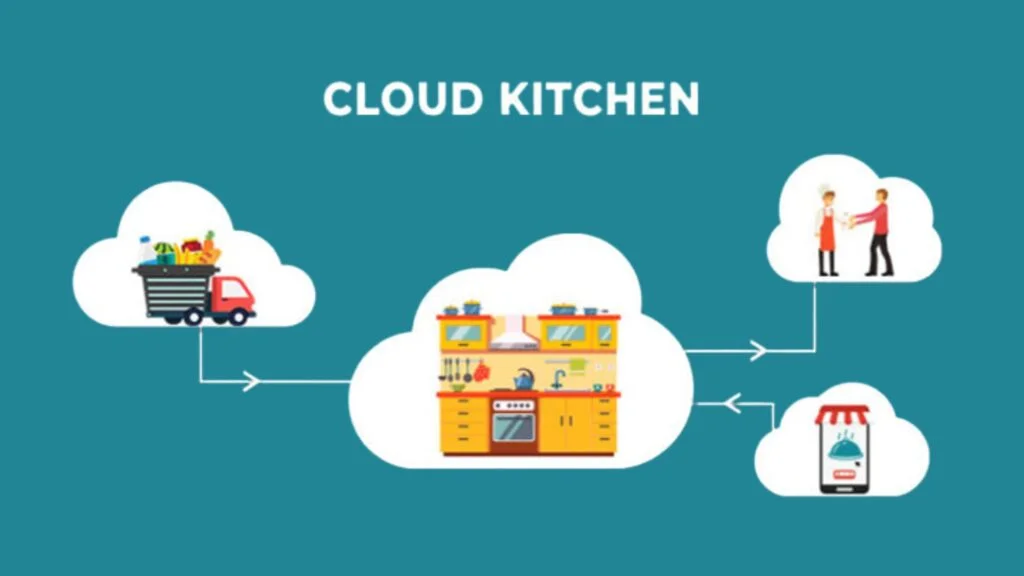
A cloud kitchen, also known as a ghost kitchen, virtual kitchen, or dark kitchen, is a food business that prepares meals exclusively for delivery or takeaway without offering dine-in services. Customers place orders through online food delivery platforms, mobile applications, or the kitchen’s own website, and the food is delivered directly to their location.
The rapid growth of online food ordering has made cloud kitchens one of the fastest-growing business models in the food service industry. By eliminating the need for expensive dining spaces and front-of-house staff, cloud kitchens allow entrepreneurs to focus primarily on food preparation, quality, and efficient delivery. They are popular among startups, restaurant chains, home chefs, and food entrepreneurs looking to enter the market with relatively lower investment.
Despite these advantages, operating a cloud kitchen also presents challenges such as dependence on delivery platforms, intense competition, customer acquisition costs, and maintaining food quality during delivery. Understanding both the benefits and limitations of this business model is essential before starting a cloud kitchen.
Advantages of a Cloud Kitchen Business
1. Lower Startup Investment
Since a cloud kitchen does not require a dining area, expensive interior décor, or customer seating, the initial investment is generally much lower than that of a traditional restaurant.
2. Reduced Operating Costs
Operating expenses such as rent, utilities, maintenance, and front-of-house staffing are typically lower, allowing owners to allocate more resources toward food quality and business growth.
3. Flexible Location Selection
Cloud kitchens can operate from locations where commercial rent is lower, as they do not rely on walk-in customers and mainly serve nearby delivery areas.
4. Faster Business Expansion
Entrepreneurs can expand into multiple delivery zones by opening additional kitchen units without investing in full-service restaurants, enabling quicker market growth.
5. Focus on Food Quality
With no dine-in operations to manage, the business can concentrate on preparing high-quality food, improving recipes, and ensuring efficient kitchen operations.
6. Easy Menu Optimization
Cloud kitchens can quickly introduce new dishes, discontinue low-performing items, or create multiple virtual brands based on customer demand and sales data.
7. Technology-Driven Operations
Most cloud kitchens use online ordering systems, digital payment methods, inventory management software, and customer analytics to improve operational efficiency and business performance.
8. Growing Demand for Food Delivery
The increasing popularity of online food ordering has created significant opportunities for cloud kitchens to reach customers who prefer convenient home or office delivery.
Disadvantages of a Cloud Kitchen Business
1. Dependence on Delivery Platforms
Many cloud kitchens rely heavily on third-party food delivery platforms for customer orders. Changes in platform policies, commission rates, or visibility can directly affect business performance.
2. High Competition
The online food delivery market is highly competitive, with numerous restaurants and cloud kitchens competing for customer attention, ratings, and repeat orders.
3. Delivery-Related Challenges
Late deliveries, damaged packaging, or poor handling during transportation can negatively affect customer satisfaction, even if the food quality is excellent.
4. Commission Fees
Food delivery platforms often charge commission on each order, reducing the overall profit margin for the business.
5. Limited Brand Visibility
Without a physical storefront, attracting new customers depends heavily on online marketing, customer reviews, social media, and delivery platform rankings.
6. Packaging Costs
Cloud kitchens require durable, food-safe packaging that maintains food quality during delivery, adding to operating expenses.
7. Limited Customer Interaction
Since customers do not visit the kitchen, owners have fewer opportunities to build personal relationships and gather direct feedback compared to traditional restaurants.
8. Strict Food Safety Compliance
Cloud kitchens must maintain high standards of hygiene, food handling, storage, and regulatory compliance to ensure customer safety and meet legal requirements.
Conclusion
A cloud kitchen business offers an affordable and scalable way to enter the food industry while benefiting from the growing demand for online food delivery. However, entrepreneurs should carefully evaluate delivery logistics, platform dependence, competition, and operational efficiency before launching a cloud kitchen.
Frequently Asked Questions (FAQs)
Q1. Is a cloud kitchen more affordable than a traditional restaurant?
A: Generally, yes. A cloud kitchen usually requires lower investment because it eliminates the need for dining space, customer seating, and extensive front-of-house operations.
Q2. Can a cloud kitchen operate under multiple brand names?
A: Yes. Many cloud kitchens operate multiple virtual brands from the same kitchen, offering different cuisines or menus to reach a wider customer base while using the same infrastructure.
Q3. Does a cloud kitchen need food safety and business registrations?
A: Yes. Cloud kitchens must obtain the required business registrations, food safety approvals, and local licenses applicable in their jurisdiction before commencing operations.
Q4. What is the biggest challenge in running a cloud kitchen?
A: One of the biggest challenges is maintaining consistent food quality and customer satisfaction while managing delivery times, online competition, platform commissions, and customer reviews.