As the demand for fresh food, pharmaceuticals, dairy products, and frozen goods continues to grow, maintaining the right storage temperature has become more important than ever. Cold storage facilities play a crucial role in preserving product quality, reducing spoilage, and ensuring that perishable goods reach consumers in excellent condition. With the expansion of agriculture, food processing, pharmaceuticals, and e-commerce, the cold storage business has become a valuable part of the supply chain.
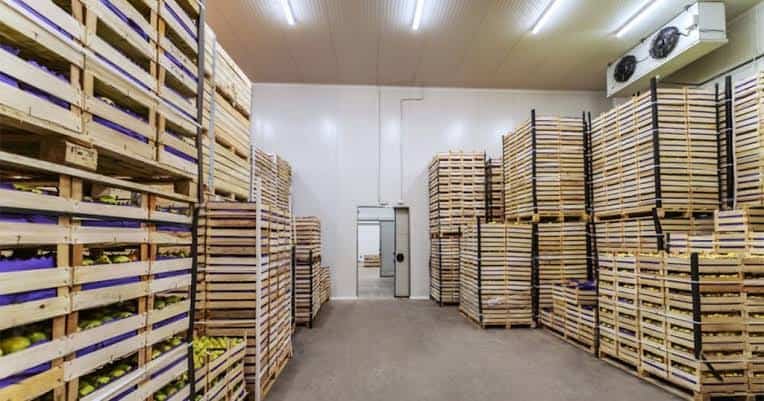
A cold storage business provides temperature-controlled storage facilities for products such as fruits, vegetables, dairy products, meat, seafood, frozen foods, flowers, medicines, vaccines, and other perishable items. Businesses earn revenue by renting storage space and offering logistics-related services to farmers, wholesalers, food manufacturers, retailers, exporters, and pharmaceutical companies. While the industry offers steady demand and long-term growth potential, it also requires substantial investment, reliable infrastructure, and efficient operational management. Understanding the advantages and disadvantages of a cold storage business can help entrepreneurs make informed investment decisions.
Advantages of a Cold Storage Business
1. Growing Demand Across Multiple Industries
Cold storage facilities are essential for agriculture, food processing, dairy, fisheries, pharmaceuticals, hospitality, and e-commerce industries. The continuous growth of these sectors creates strong and long-term demand for temperature-controlled storage services.
2. Reduces Product Spoilage
Cold storage significantly extends the shelf life of perishable goods by maintaining optimal storage temperatures. This helps businesses minimize wastage, preserve product quality, and reduce financial losses caused by spoilage.
3. Multiple Revenue Streams
A cold storage business can generate income through warehouse rentals, temperature-controlled logistics, blast freezing, inventory management, packaging services, distribution support, and value-added handling services.
4. Stable Business Demand
Perishable products require year-round storage regardless of seasonal market conditions. Food producers, wholesalers, exporters, retailers, and pharmaceutical companies regularly depend on cold storage facilities, providing consistent business opportunities.
5. Supports Agricultural Supply Chains
Cold storage enables farmers to store produce after harvest instead of selling immediately at lower prices. This helps reduce post-harvest losses and allows products to be sold when market conditions become more favorable.
6. Expanding Pharmaceutical Opportunities
Temperature-controlled storage is essential for medicines, vaccines, biotechnology products, and medical supplies that require specific storage conditions. The healthcare sector continues to create new business opportunities for cold storage operators.
7. Scalable Business Model
Entrepreneurs can begin with a specialized facility for fruits, vegetables, dairy products, or frozen foods and gradually expand capacity, add new temperature zones, or diversify into integrated cold chain logistics.
8. Long-Term Industry Growth
Increasing consumption of processed foods, frozen products, online grocery deliveries, pharmaceutical products, and international food trade continues to strengthen the long-term growth prospects of the cold storage industry.
Disadvantages of a Cold Storage Business
1. High Initial Investment
Establishing a cold storage facility requires substantial capital for land, insulated buildings, refrigeration systems, compressors, backup power, storage racks, and specialized monitoring equipment.
2. High Electricity Consumption
Refrigeration systems operate continuously to maintain required temperatures. Electricity expenses can become one of the largest operating costs, especially during periods of rising energy prices.
3. Equipment Maintenance Requirements
Cooling systems, refrigeration units, insulation, temperature sensors, and backup generators require regular servicing and preventive maintenance to ensure uninterrupted operations.
4. Dependence on Reliable Power Supply
Power outages can damage stored products if backup systems fail or cooling is interrupted for extended periods. Reliable generators and emergency power solutions are essential.
5. Regulatory Compliance
Cold storage businesses must comply with food safety regulations, environmental standards, refrigeration guidelines, worker safety requirements, and industry-specific quality standards.
6. Temperature Monitoring Challenges
Different products require different storage temperatures and humidity levels. Continuous monitoring and precise environmental control are necessary to maintain product quality and prevent spoilage.
7. High Operating Costs
Expenses related to electricity, labour, equipment maintenance, insurance, transportation, security, and facility management can significantly affect overall profitability.
8. Location and Infrastructure Dependence
A cold storage facility should be located near agricultural production areas, industrial zones, food processing units, transportation networks, or wholesale markets. Poor location selection can limit customer access and increase logistics costs.
Conclusion
A cold storage business plays a vital role in preserving perishable products and supporting modern supply chains. Although it requires significant investment and operational expertise, the industry’s growing demand across agriculture, food processing, and healthcare offers excellent long-term business opportunities.
Frequently Asked Questions (FAQs)
Q1. Which products are commonly stored in cold storage facilities?
A: Cold storage facilities are commonly used for fruits, vegetables, dairy products, meat, poultry, seafood, frozen foods, flowers, medicines, vaccines, beverages, and certain chemical products that require controlled temperatures.
Q2. Who are the primary customers of a cold storage business?
A: Typical customers include farmers, food processors, exporters, wholesalers, supermarkets, pharmaceutical companies, restaurants, hotels, online grocery businesses, and logistics providers.
Q3. What factors should be considered before starting a cold storage business?
A: Entrepreneurs should evaluate location, electricity availability, storage capacity, refrigeration technology, target industries, transportation connectivity, regulatory requirements, and long-term operating costs before investing.
Q4. Can a cold storage business specialize in a single product category?
A: Yes. Many businesses focus on specific sectors such as fruits and vegetables, frozen foods, seafood, dairy products, pharmaceuticals, or floriculture before expanding into multi-purpose temperature-controlled storage services.