A textile manufacturing business involves the production of fabrics, yarns, garments, and other textile products using natural or synthetic fibers. The industry covers various processes, including spinning, weaving, knitting, dyeing, printing, finishing, and garment manufacturing. Textile products are supplied to domestic and international markets for use in clothing, home furnishings, industrial applications, healthcare, automotive industries, and technical textiles.
The textile industry is one of the largest manufacturing sectors worldwide and plays a significant role in employment generation, exports, and economic development. With increasing demand for fashion apparel, sustainable fabrics, sportswear, and technical textiles, entrepreneurs have numerous opportunities to establish profitable textile manufacturing businesses. Advances in machinery, automation, and digital technologies have also improved production efficiency and product quality.
However, textile manufacturing is a capital-intensive business that requires substantial investment, skilled labour, quality control, and compliance with environmental and labour regulations. Understanding both the advantages and disadvantages of textile manufacturing can help entrepreneurs make informed investment decisions.
Advantages of a Textile Manufacturing Business
1. Large Market Demand
Textile products are essential for everyday life, creating continuous demand from consumers, fashion brands, retailers, exporters, hospitals, hotels, and industrial sectors.
2. Diverse Product Opportunities
Manufacturers can produce a wide range of products, including fabrics, garments, uniforms, home textiles, technical textiles, and specialty materials, reducing dependence on a single product category.
3. Export Potential
Many textile products have strong international demand, allowing manufacturers to expand into global markets and earn revenue through exports.
4. Employment Generation
Textile manufacturing creates employment opportunities in production, quality control, design, packaging, logistics, marketing, and machinery maintenance.
5. Scalability
Businesses can begin with a small production unit and gradually expand capacity by investing in additional machinery, production lines, and skilled workers.
6. Technological Advancements
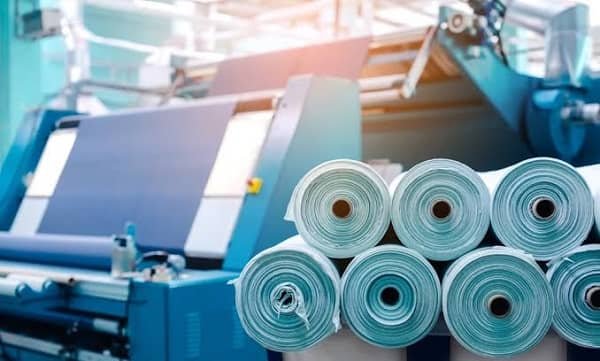
Modern textile machinery, automation, computer-aided design (CAD), and quality control systems help improve productivity, reduce waste, and maintain consistent product quality.
7. Value Addition Opportunities
Manufacturers can increase profitability by offering customized designs, premium fabrics, eco-friendly textiles, branded garments, and specialized finishing processes.
8. Long-Term Industry Growth
Growing populations, changing fashion trends, increasing disposable incomes, and rising demand for sustainable and technical textiles continue to support long-term industry expansion.
Disadvantages of a Textile Manufacturing Business
1. High Initial Investment
Setting up a textile manufacturing unit often requires significant capital for land, factory buildings, machinery, raw materials, utilities, and production equipment.
2. Rising Raw Material Costs
Fluctuations in the prices of cotton, wool, silk, synthetic fibers, dyes, and chemicals can directly affect production costs and profit margins.
3. Intense Competition
Manufacturers compete with domestic producers as well as international suppliers, making pricing, quality, innovation, and efficiency essential for success.
4. Labour-Intensive Operations
Many textile manufacturing processes require skilled workers, and labour shortages or rising wages can increase operating costs.
5. Environmental Compliance
Textile production often involves water consumption, chemical usage, and waste generation, requiring businesses to comply with environmental regulations and pollution control standards.
6. Changing Fashion Trends
Consumer preferences and fashion trends change rapidly, increasing the risk of unsold inventory if production does not match market demand.
7. Energy Consumption
Textile factories often consume significant amounts of electricity, water, and fuel, making utility costs a major operational expense.
8. Quality Control Challenges
Maintaining consistent fabric quality, colour accuracy, durability, and production standards requires continuous monitoring and effective quality management systems.
Conclusion
A textile manufacturing business offers strong growth opportunities due to consistent market demand, export potential, and product diversification. However, entrepreneurs must carefully manage production costs, maintain quality standards, invest in modern technology, and comply with environmental regulations to achieve long-term success.
Frequently Asked Questions (FAQs)
Q1. Is textile manufacturing a profitable business?
A: Yes. Textile manufacturing can be profitable when production is efficient, quality standards are maintained, costs are controlled, and products meet market demand in domestic or international markets.
Q2. What products can a textile manufacturing business produce?
A: Textile manufacturers can produce yarn, fabrics, garments, uniforms, home textiles, industrial fabrics, technical textiles, and other textile-related products depending on their production capabilities.
Q3. What is the biggest challenge in textile manufacturing?
A: One of the biggest challenges is balancing production costs with product quality while managing raw material price fluctuations, competition, and changing customer preferences.
Q4. Can a small textile manufacturing business grow into a large enterprise?
A: Yes. Many successful textile manufacturers begin with limited production capacity and gradually expand by investing in advanced machinery, increasing output, entering new markets, and diversifying their product range.